This guide covers call of dragons beginner guide with practical steps for mobile players.
Quick answer: Call of Dragons is a mobile strategy game where you build a city, train troops, command heroes and fight alongside an alliance over a shared map. The early game is mostly city building and hero development, and the mid game is almost entirely alliance warfare. Join an alliance in your first session, keep your research and building queues running, and treat gems as a resource to save rather than spend.
It sits in the same broad family as other kingdom-building strategy games, with two distinguishing features: heroes that lead armies and dragons that function as major strategic assets.
That combination means you are managing several systems at once, and the players who progress fastest are the ones who keep all of them moving rather than focusing on one.
This guide covers the fundamentals: what to build, how heroes and troops fit together, why alliances matter so much, and what to avoid in the first few weeks.
It is also worth learning the map early. Knowing where resources cluster, where your alliance territory begins and where danger sits changes how confidently you move.
Most early losses come from wandering into contested ground without realising it was contested.
What are you actually doing in Call of Dragons?
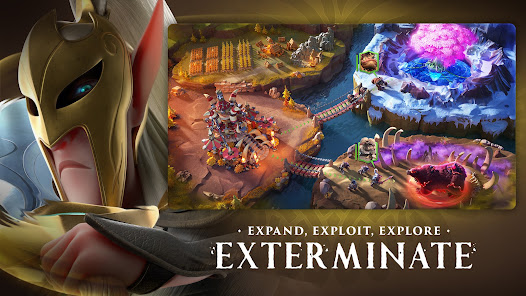
You are running a city on a large shared map. The city produces resources, trains troops and researches upgrades, while your heroes lead armies across the map to gather, scout and fight.
Around that sits the alliance layer, which is where most of the meaningful play happens. Alliances hold territory, fight for objectives and run scheduled activities that reward participation.
The game is persistent rather than session-based in the way a puzzle game is. Progress accumulates while you are away, which makes queue management more important than any single session.
Understanding that rhythm early saves a lot of wasted time later, because a player who keeps queues running will always outpace one who plays in bursts.
There is also a timing element to free play. Events and seasonal activities are where free players close the gap, because they reward participation rather than spending.
Plan your weeks around those rather than around whatever seems urgent in the moment.
On this page
What should you do in your first week?
Join an alliance immediately. Not after you understand the game, not once you are stronger: now. Alliance membership gives you reinforcements, territory, speed-ups and access to activities you cannot do alone.
Follow the early quest chain as well. It is a guided introduction that hands out resources and unlocks, and skipping it leaves you with a city that works but grows slowly.
Keep your build queue and research queue busy at all times. Idle queues are the single largest source of lost progress in this genre.
And start training troops early, even if you are not fighting yet. Troops are needed for gathering, for defence and for alliance activities.
You will also meet the dragon system early, and it is worth paying attention rather than treating it as decoration. A dragon changes what your army can do, which means it is closer to a second commander than to a cosmetic pet.
Treat the first week as a tutorial you are being paid to complete. The reward is a city that runs while you are not looking, which is what separates steady accounts from stalled ones.
How do heroes fit into the game?
Heroes lead your armies and provide most of your combat power. Each has skills, talents and equipment, and developing them is one of the largest long-term investments you will make.
You will not have enough resources to develop every hero equally, so specialise. Pick a small number that suit your playstyle and concentrate on them.
Heroes also matter for gathering and for specific activities, so a balanced roster helps even if you only fight with a couple of them.
The mistake new players make is spreading investment across everything they unlock. Depth beats breadth here, because a strong hero carries an army and a mediocre one does not.
You should also get into the habit of checking what is finishing rather than what is available. The useful question is always which queue will open next, because that is what you can act on.
Small accounts grow by never leaving a building slot empty, not by making clever choices. Consistency beats optimisation at this stage.
Why do alliances matter so much?
Because the game is designed around group conflict. Territory, objectives and seasonal campaigns are all alliance-scale, and a solo player simply cannot participate in most of it.
Alliances also provide practical benefits: faster help with building, shared territory for safer gathering, and reinforcement when you are attacked.
Beyond mechanics, an active alliance is what makes the game enjoyable. The social layer is the content, and a quiet alliance makes even a strong account feel pointless.
Choose an active alliance over a prestigious one. A busy alliance of modest players will teach you more and involve you more than a silent one full of large accounts.
Hero development also has a resource dimension. Experience, skill books and equipment all compete for the same materials, and deciding which hero deserves them matters more than collecting everything.
Look at what your alliance needs as well. A hero who is excellent at rallying is worth more to a group than one who is only good alone, and alliance play is where most rewards come from.
Resource management is the other half of the early game and it is easy to neglect. Your city produces passively, but your gathering heroes produce far more, and sending them out consistently is what funds everything else.
Keep an eye on storage capacity as well. Resources that exceed your capacity are wasted, which means an upgrade you delayed can quietly cost you more than it saved.
What should you avoid early on?
| Mistake | Why it hurts |
|---|---|
| Spending gems on speed-ups | Gems are scarce and better saved for events or long-term value |
| Ignoring the alliance | Locks you out of most content |
| Spreading hero investment | Leaves you with several weak heroes |
| Letting queues idle | The largest avoidable loss of progress |
| Attacking without scouting | Wastes troops you cannot quickly replace |
Most of those are about patience rather than skill. The game rewards consistent, boring management more than dramatic plays.
If you find yourself tempted to spend gems on a small convenience, wait a day. Most such urges pass, and the gems are worth more later.
Territory is the concrete benefit you will notice first. Gathering inside alliance land is safer and often faster, and being able to retreat to friendly ground changes how aggressive you can be.
Reinforcement is the second benefit. A city that can be reinforced is a city that survives being attacked while you are asleep, which matters enormously in a game that runs continuously.
Try to end each session with every queue occupied and every gathering hero deployed. That single habit, done consistently, is worth more than any individual strategic decision in the first month.
If you can only log in briefly, spend that time on queues rather than on fighting. Fighting can wait; idle queues cannot be recovered.
One thing that separates comfortable accounts from stressed ones is troop discipline. Training troops you cannot afford to lose is how players end up unable to fight when their alliance needs them.
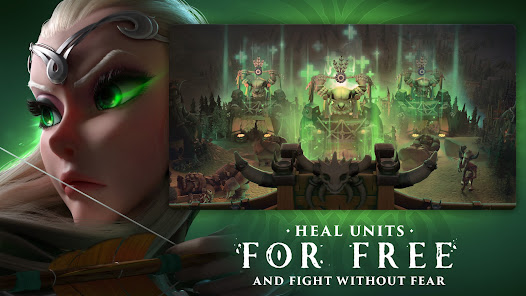
Keep a reserve, heal rather than rebuild where possible, and avoid unnecessary engagements outside of alliance objectives.
How do you keep progressing without spending?
Keep queues full, gather consistently, and participate in alliance activities. Those three habits generate most of a free player’s progress.
Use your gathering heroes for resource collection rather than your combat heroes, and send them out whenever they are available. Resources that sit uncollected are progress you did not take.
Save gems for events and for moments where they unlock something permanent rather than something temporary.
It is slower than spending, and the game is honest about that. But consistent play closes much of the gap over a season.
One more thing to avoid is joining an alliance and then going quiet. The members who get help are the ones who ask for it and offer it, and silent members are treated as inactive.
Say hello, respond to rally calls when you can, and you will find the game considerably more generous than you expected.
Finally, be realistic about the time horizon. This is a game measured in months, and accounts that survive are the ones whose owners settled into a routine rather than chasing bursts of progress.
Slow and consistent is not a consolation prize here. It is the actual strategy.
You will also want to understand the difference between account progress and seasonal progress, because confusing the two leads to either overinvesting in temporary gains or ignoring them entirely.
Permanent upgrades stay with you. Map position and territory do not, so treat them as things to win rather than things to keep.
Finally, decide early whether you are playing for the long season or for a casual account. Both are valid, but they lead to different spending decisions and different alliance choices.
A casual player who joins a competitive alliance will feel constantly behind; a competitive player in a quiet alliance will feel bored. Match the group to the commitment you can actually make.
That decision is worth revisiting after a month, because the game changes shape once the seasonal map opens up and alliances start competing in earnest.
What felt like a building game in week one will feel like a group campaign by week six, and the habits you formed early are what let you take part in it.
Frequently asked questions
Do I need to spend money?
No, but progress is slower without it. Free play is viable with consistent habits.
Which faction should I pick?
One that suits the troops and heroes you intend to use. The differences matter more later than early.
How important is my alliance?
Critical. Most content is alliance-scale and cannot be done alone.
What are dragons for?
They are major strategic assets that strengthen your armies and shape how you fight.
What happens at season reset?
Some map progress resets while account progress persists. Understanding the split prevents wasted effort.
For more, see choosing a faction and joining an alliance. More coverage is on the Call of Dragons hub.
Official game information: callofdragons.farlightgames.com.