This guide covers call of dragons how to prepare for alliance activities with practical steps for mobile players.
Quick answer: To prepare for alliance activities in Call of Dragons, read the schedule before the window opens and hold the resources the activity scores on. Keep troops healed, stamina available and speedups unspent until they count. Alliance activities reward preparation more than activity, so arriving with something to spend matters more than playing a lot.
Alliance activities are the rhythmic core of the game. They are where most meaningful rewards come from, and they are also where a disorganised alliance visibly falls behind one of the same size that plans.
What kinds of alliance activities are there?
Most cycles mix preparation activities and combat activities. Preparation rewards building, research, training and healing; combat rewards fighting, killing and taking ground.
Some score individually and some score for the alliance as a whole. The distinction matters, because individual scoring rewards personal effort while alliance scoring rewards coordination.
Server-wide competitions raise the stakes further, since your state competes against others rather than only your alliance competing internally.
Because the categories are known in advance, preparation is mostly administrative: hold the right resources and spend them at the right time.
Treat the activity calendar as a schedule to plan around rather than a surprise to react to.
On this page
How should you prepare in advance?
Hold speedups and resources for the window that scores them. Spending them the day before is the most common and most avoidable mistake.
Keep queues clear before a building activity so you can start something meaningful rather than waiting for a timer to expire.
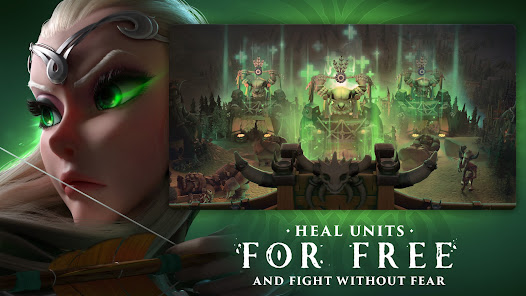
Save healing capacity and wounded troops for healing activities, since those score on something you would otherwise complete immediately.
Prepare troops before combat activities by training to full strength beforehand, so the window is spent fighting rather than rebuilding.
The principle is to arrive with something to spend. A player who has already spent everything has nothing to contribute.
How do you coordinate with the alliance?
Read the announcements rather than only the chat. Leaders usually set a target and a time, and members who miss it contribute nothing to the score.
Join rallies when they are posted, because rallies convert individual effort into alliance points more efficiently than solo action.
Follow the target list. Hitting random targets scores less than hitting the ones the leadership called, even when your personal contribution feels similar.
Report what you are doing if the alliance asks. Visibility lets leadership allocate effort instead of guessing.
And show up at the start rather than the end. These windows are often decided in the first hours, when coordination is easiest.
What should a smaller player do?
Contribute in categories that do not require strength. Building, researching and gathering all score, and none needs a strong army.
Join rallies rather than leading them. A weaker player adds value to a rally and would lose troops trying to lead one.
Heal and retrain between windows so you are at full strength when combat begins. Preparation is a legitimate contribution.
Use the activities to learn the rhythm rather than chasing the top of the leaderboard. Understanding the cycle is worth more than one good score.
Over several cycles, that knowledge compounds into a player a strong alliance wants to keep.
How do activities interact with progression?
They are the main source of speedups, hero materials and resources, which means they fund the progression that makes the next activity easier.
They also gate some content, since certain rewards only appear through activity shops or rankings.
And they shape your resource behaviour, because holding a stockpile is only rational if an activity will eventually reward it.
That makes the calendar an input to every decision, from when to spend speedups to when to upgrade a building.
Players who plan around it progress noticeably faster than those who treat activities as optional.
What are the common preparation mistakes?
Spending before the window is the first and most expensive. It converts value into nothing.
Ignoring the announcements is the second. Uncoordinated effort scores poorly even when it is large.
Entering combat activities at low strength is the third, because losses during the window cost you both score and recovery time.
Chasing personal rank over alliance score is the fourth. The alliance reward is usually worth more.
Not resting between cycles is the last. Burnout before a major activity is a self-inflicted disadvantage.
One habit that pays off more than any single preparation step is to write down what each activity asked for after it ends. Over a month you build a record of the cycle, and the second time through you arrive prepared rather than guessing.
It also helps to note which categories your alliance actually scores well in. There is no point hoarding for a category the group ignores, and there is every reason to hoard for the one that decides the ranking.
That record turns preparation from a memory exercise into a checklist, and checklists survive busy weeks.
Finally, share what you learn. A member who tells the group what worked saves everyone the same discovery, and alliances that share information pull ahead of ones that do not.
Over several cycles that shared knowledge is worth more than any individual stockpile.
Preparation is therefore as much a social habit as a logistical one, and the groups that treat it that way are the ones that climb.
It is also worth knowing when your alliance tends to be active rather than assuming it matches your own schedule. A category that scores at 3am is worth nothing to a player who cannot attend, and pretending otherwise wasted many alliances their best preparation.
Adjust the plan to the people. If the group is quiet overnight, push the preparation categories into the hours when members are actually present.
That adjustment alone often produces a better score than any amount of additional hoarding.
Frequently asked questions
How often do alliance activities run?
They run in cycles with different categories in sequence. Check the calendar rather than assuming a fixed pattern.
Should I save resources for activities?
Yes, when the activity scores on them. Holding is only wrong if you needed the upgrade for something urgent.
Do smaller players matter in activities?
Yes. Preparation categories score regardless of army strength.
What is the best contribution?
Whatever the alliance has called for. Coordination beats individual effort.
Are activity rewards worth the preparation?
Yes. Activities are the largest recurring source of speedups, materials and resources.
For the gem side, read how to avoid wasting gems, or return to the Call of Dragons hub.
Official game information: callofdragons.farlightgames.com.