This guide covers call of dragons gameplay overview with practical steps for mobile players.
Quick answer: Call of Dragons is a mobile fantasy strategy game where you build a city, raise and command beasts, develop heroes and fight for territory with an alliance. It follows the established base-building formula with a stronger emphasis on map play and creature units. Progress is measured in weeks, and the routine of queues, alliances and events is the whole of it.
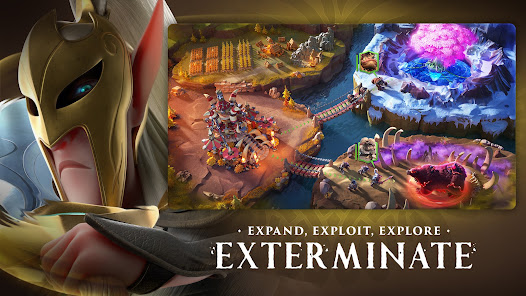
It belongs to the same family as the other alliance war games on mobile, but the fantasy framing gives it a distinctive shape. Beasts and dragons are not decoration; they are units and systems you invest in, and they change how combat plays out compared with a purely human army.
What do you actually do in Call of Dragons?
You develop a city, research technology, train troops and develop heroes. Those four tracks run in parallel and each gates the others at some point.
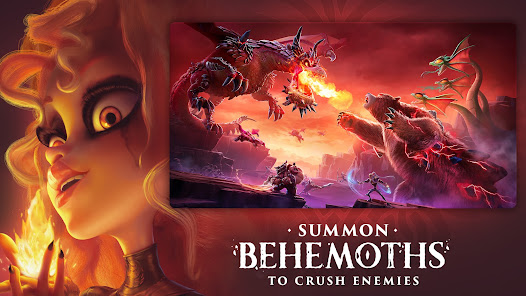
You also manage beasts, which are a distinguishing feature: they provide units and bonuses that a conventional army does not have.
Outside the city, you gather, fight monsters and compete with your alliance for map control.
The loop is build, gather, train and fight, with each cycle requiring more than the last.
On this page
How does progression work?
Mostly through building levels. A central building gates everything, and each tier unlocks new structures, troops and research.
Research runs in parallel and is slower, but it determines troop quality and unlocks the higher tiers that matter later.
Heroes and beasts progress separately, and they affect how well your army performs in every mode.
Those tracks interlock, which is why an account that over-invests in one stalls on the others.
What role does the alliance play?
A large one. Alliances provide territory, shared research, rallies and access to events.
Membership also determines where you can safely gather, because territory discourages attackers and gives you somewhere to retreat.
And it gates most of the recurring rewards, since events are alliance-scored rather than solo.
Chasing a good alliance is therefore as important as any individual upgrade.
How does combat work?
You send troops led by heroes and beasts against monsters, event targets or other players.
Outcomes depend on troop tier, hero strength, research and the matchup between unit types.
Beasts add a layer that pure troop games lack, since they bring abilities rather than just statistics.
Most large-scale fighting happens in rallies, where members combine strength against a target.
How long does progress take?
Longer than most players expect. Building and research timers stretch into days, and the game is designed around waiting.
That is the genre’s structure rather than a flaw. The interesting decisions are about what to queue and when.
Players who enjoy planning around timers stay for months; those expecting rapid results usually leave early.
The pace also means early decisions compound, which is why the first weeks matter more than they appear.
Who is it for?
Players who like long-horizon planning, alliance coordination and fantasy settings.
It is less suited to players who want a game they can finish, or who dislike waiting as a core mechanic.
It is also a game where a strong alliance matters more than raw spending, particularly in the middle of the pack.
If that sounds appealing, the systems described here are the whole of it.
One consequence of the fantasy framing is that the map matters differently. Beasts and large units make some terrain more valuable than it would be in a purely human war game, and alliances fight over ground for reasons beyond simple positioning.
That makes map awareness more important than in comparable titles. Knowing where the valuable ground sits, and who controls it, is part of understanding your own account’s prospects.
It also means that a weak alliance on good ground can outperform a stronger one in a poor position, which is an unusual dynamic for the genre.
The practical lesson is to look at the map before committing to a long-term plan. Position decides more than most players expect.
That single consideration explains a great deal of what happens on a server over months.
Another difference is how heroes and beasts interact with the army. In a conventional game, a hero is a buff. Here, a developed beast can change what a march is capable of, which raises the value of investment in that track.
It also makes the optimal build less obvious, since the correct balance between troops, heroes and beasts depends on the content you actually play.
Players who experiment tend to find a combination that suits them better than the one they were told to copy.
That flexibility is one of the more interesting things the game offers, and it rewards attention rather than spending.
Try things, measure the result, and adjust. The systems respond to that kind of attention.
Finally, it is worth knowing that the game is a long commitment rather than a short one. The early weeks are slow, and the interesting decisions only appear once the timers stretch and the alliances start to matter.
If that appeals, the game delivers it consistently. If it does not, no amount of progress will change the shape of the experience.
Judge it on the routine, not on the first hour.
It is also worth understanding how the game handles a break before committing. A city left alone for a week loses production time, and in a contested area it may lose resources to raiders. Neither is fatal, but both are reminders that the game assumes routine.
That assumption is why logging in briefly twice a day beats one long session. The queues are the progress, and a player who keeps them running outgrows one who does not, regardless of how much time they spend when they do log in.
Once that rhythm is established, the game becomes quiet rather than demanding, which is what most long-term players actually want from it.
Frequently asked questions
Is Call of Dragons free to play?
Yes, and it is playable without spending. Spending accelerates progress rather than unlocking it.
Can I play solo?
You can, but you lose events, shared research and rallies, which slows everything considerably.
What should I build first?
The central building and the structures it requires. That path gates everything else.
How often should I log in?
Ideally twice a day, so queues stay full and marches restart.
Do beasts matter?
Yes. They provide units and abilities that a conventional army does not have, which makes them worth developing.
For the basics, read how to avoid wasting gems, or return to the Call of Dragons hub.
Official game information: callofdragons.farlightgames.com.