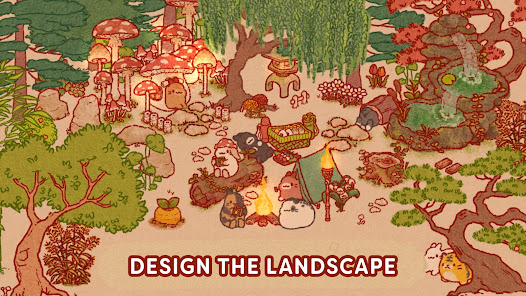
This guide covers usagi shima beginner guide with practical steps for mobile players.
Quick answer: Usagi Shima is a cozy idle game about decorating a small island so that rabbits come to visit. You place items, wait for bunnies to arrive, earn carrots, and spend them on more decorations. The three things that matter most are placing a variety of items rather than many of one kind, checking in regularly to collect what the bunnies leave, and using the bunny book to work out what each visitor likes.
There is no combat, no timer that can fail you and nothing to lose by being away. The game asks for a few minutes at a time and gives back a small island that slowly becomes yours.
That pacing is the point. Understanding it early stops the game from feeling slow and starts it feeling like what it actually is, which is a place to potter about in rather than a challenge to beat.
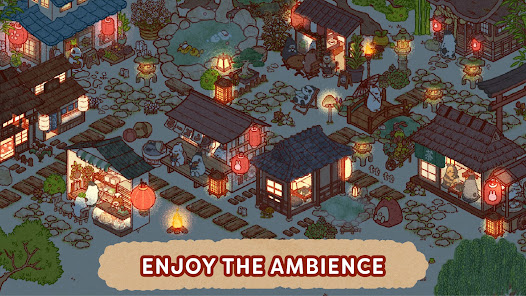
What are you actually doing in Usagi Shima?
You are arranging a space. The island has room for decorations, paths, buildings and toys, and each of those affects what happens there.
Bunnies arrive on their own schedule, interact with what you have placed, and leave carrots behind. You collect those carrots, buy more items and place them, which in turn brings more bunnies.
That is the entire loop, and it is deliberately gentle. There is no failure state and no way to make the island worse by playing badly.
The skill, such as it is, lies in choosing what to place. Different items appeal to different bunnies, so the island you build determines who visits.
Players who treat it as a decorating hobby get more out of it than players looking for a system to optimise, though both approaches work.
What you are really doing is making a small place feel cared for, and the rabbits are the reward for that.
It is worth saying how rare that is. Most games on a phone want something from you, whether that is attention, money or a daily obligation. This one asks for a few minutes and does not punish you for forgetting.
That makes it unusually easy to keep installed. You can ignore it for a week, come back, collect what accumulated and carry on without having missed anything permanent.
Everything else in this guide follows from that single idea.
On this page
How do you attract new bunnies?
By placing a variety of items rather than a large number of the same thing. Bunnies are drawn to specific kinds of decoration, so a diverse island gives more of them a reason to visit.
If you have placed ten identical chairs and nothing else, you have created one attraction rather than ten. Spreading your items across categories produces more visitors.
The exception is when you are deliberately building a themed area, where repetition is the point. That works too, but it narrows the audience.
New bunnies also arrive simply through time. Some are rare and take many visits to appear, so patience is part of the mechanism rather than a workaround.
Checking the island regularly matters more than any single placement decision, because arrivals are spread across sessions.
If you seem to be attracting the same few rabbits, change what you have out. Variety is the lever.
That single habit solves most of the frustration new players feel about a slow-growing visitor list.
There is a second factor worth knowing, which is that bunnies seem to respond to how the island feels rather than only to what is on it. A coherent little area tends to produce better results than a scattered collection of unrelated objects.
So when you are choosing what to place next, think about whether it belongs with what is already there. That instinct produces an island that attracts visitors and looks right at the same time.
How do carrots work?
Carrots are the main currency. Bunnies leave them behind after visiting, and you spend them in the shops on new decorations, toys and buildings.
They accumulate while you are away, which means the island keeps producing even when you are not looking. Collecting them is the first thing to do when you open the game.
Because carrots come from visitors and visitors come from decorations, there is a feedback loop. Better decorations attract more bunnies, which produces more carrots, which buys better decorations.
That loop is gentle and it never requires you to play for long stretches. It rewards showing up rather than grinding.
The practical habit is to collect every carrot you can see before spending anything, so you know what you are actually working with.
Leaving carrots uncollected does not lose them, but it does mean you are not spending them, and unspent carrots do nothing.
Collect, then spend, then place. That is the whole economy in three words.
It is worth understanding why that loop feels good rather than merely functional. Every carrot you collect is visible, every purchase is immediate and every placement changes the island in a way you can see.
Most idle games hide their progress behind numbers. This one shows it as a place, which is why the reward for playing is a nicer island rather than a larger figure.
That is a meaningful difference and it is the reason the game appeals to people who do not normally like idle games.
What should you buy first?
A spread of small, cheap items rather than one expensive centrepiece. Variety attracts more bunnies, and cheap items let you cover more categories early.
Toys are worth prioritising because bunnies interact with them directly, which produces more activity on the island and more to watch.
Paths matter more than they appear to. They shape how the island reads and they make the space feel intentional rather than cluttered.
Avoid saving for a single large building in your first week. It will look impressive and it will not attract as many visitors as the same carrots spent on variety.
Once you have a broad base, expensive pieces become worthwhile because they add to an island that already works.
The order is breadth first, then depth. That applies to almost every system in the game.
If you are unsure, buy three cheap things instead of one costly one and watch what happens to your visitor count.
There is one more consideration worth mentioning. Shops rotate what they offer, so an item you see today may not be there tomorrow.
If something fits the island you are building, buy it while you can rather than waiting for a perfect moment that may not arrive.
That is not a reason to buy everything. It is a reason not to deliberate for a week over a small decoration you already wanted.
How do you keep the island from feeling cluttered?
By leaving space. A crowded island is harder to read and harder to enjoy, and the bunnies do not need every tile filled.
Group things into areas rather than scattering them evenly. A seating corner, a garden, a path with lamps. Areas read as designed; scatter reads as storage.
Use paths to connect the areas, because paths tell the eye where to go and make the layout feel deliberate.
Leave room for new items. If the island is full, new decorations have nowhere to go and you will end up removing things you liked.
That last point matters more over time. Players who fill every tile in the first month run out of options later.
A little restraint early keeps the island workable for much longer.
The goal is a place that looks cared for, not a place that looks full.
That leads naturally into the routine worth keeping. Collect the carrots, check whether any new bunnies have arrived, and look at what they left behind.
Then spend what you can on something new, and place it. Even one small item per session keeps the island growing.
Check the bunny book to see who you have met and who is still missing, because that tells you what kind of decoration to aim for next.
Photograph anything that looks nice, since the game encourages it and the photos become a record of the island over time.
That routine is short enough to do daily and complete enough to keep progress moving.
Players who do it consistently end up with an island that looks impossible to a new player, and they got there a few minutes at a time.
There is no faster route, and the game is honest about that.
What are the most common beginner mistakes?
Filling the island with one type of item. Hoarding carrots instead of spending them. Ignoring paths. Buying one expensive piece instead of several cheap ones. And expecting bunnies to arrive quickly.
The underlying mistake is treating the game as something to complete rather than something to tend. It has no ending and no score, so rushing produces nothing except a crowded island.
If progress feels slow, the answer is almost always more variety in what you have placed, not more time spent playing.
Change one thing, wait a session, and see who turns up. That is the experimental loop the game is built around.
It is also the most enjoyable way to play, because every change produces a small visible result.
Do that consistently and the island becomes something you are fond of rather than something you finished.
That is the whole of it, and it takes about five minutes a day to keep the island moving forward at a steady pace.
Frequently asked questions
Is there any way to fail?
No. There is no combat, no timer and nothing to lose by being away from the game.
How often should you check in?
Once or twice a day is plenty. The island keeps working while you are elsewhere.
Do you need to spend money?
No. Carrots come from bunnies and the game is playable entirely without purchases.
Why are no new bunnies arriving?
Usually a lack of variety. Try placing different kinds of items rather than more of the same.
What is the bunny book for?
It records who you have met and helps you work out which decorations attract which rabbits.
Place a variety of things, collect your carrots, and let the island grow a little each day. You can also start from the Usagi Shima hub.
Official game information: usagishima.net.