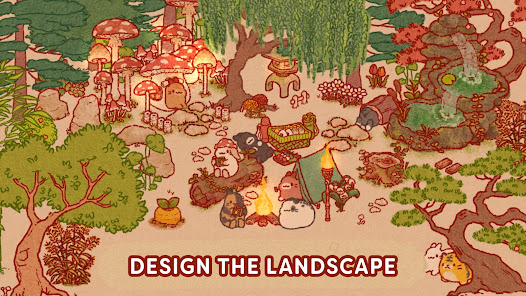
This guide covers usagi shima how to place decorations with practical steps for mobile players.
Quick answer: placing decorations in Usagi Shima is where the game actually happens, and the way to do it well is to group things into areas rather than scattering them evenly. Leave space between groupings, connect them with paths, and vary the type of item so the island has more to offer visitors. A little restraint early keeps room for the things you will want to add later.
Placement is the whole creative act of the game. You buy items with carrots and then decide where they go, and that decision is what turns a collection of objects into a place.
It is also the part most players rush, filling every tile in the first week and then having nowhere to put anything new.
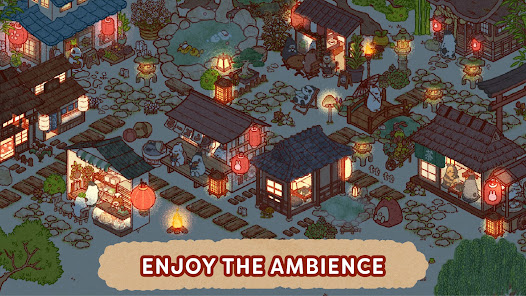
Why does grouping matter?
Because the eye reads groups as intentional and scatter as clutter. A bench with a lamp beside it says something; the same two objects on opposite sides of the island say nothing.
Groups also give the bunnies somewhere to be. A defined area is more interesting than a scattered field of individual items.
And grouping makes the island legible to you. When you want to add something later, you know which area it belongs in.
That last point matters more as the island grows, because a place with no structure becomes impossible to extend.
Start with one group and build outward rather than covering the whole island at once.
There is a useful way to think about it. Each group is a small scene, and the island is a collection of scenes rather than a single composition.
That makes the whole thing manageable. You are not designing an island, you are designing a corner, and then another corner.
It also means you can stop at any point and the island still looks finished.
On this page
How much space should you leave?
More than feels natural at first. Empty ground reads as breathing room, and it gives you somewhere to put the next thing you buy.
A dense island looks finished but is actually stuck. You cannot add without removing, and removing things you like is the least pleasant part of the game.
Leaving gaps also makes the items you do place more visible. An object with space around it reads as a feature; the same object wedged between three others disappears.
The instinct to fill is strong, especially early when every carrot feels precious. Resist it.
The players who leave space are still adding to their islands months later.
It is worth being concrete about how much space. A rough guide is that no item should touch more than one other item, and most should touch none.
That sounds sparse and it looks generous. The island reads as a place with room in it rather than a shelf with things on it.
Try it on one area and see how it feels before applying it everywhere.
Do paths really help?
Yes, and more than most players expect. Paths give the island a structure and tell the eye where to go.
They also solve the blank-page problem, because a route gives you somewhere to start and a reason for each item to sit where it does.
Begin with one main path from the entrance to the far side, then branch off it for each area.
That produces a layout that can grow in an organised way rather than accumulating into a mess.
If you have ever looked at an empty island and felt unsure where to begin, a path is the answer.
Should you match styles or mix them?
Match styles, vary functions. That is the rule that keeps an island coherent while still interesting to visitors.
If everything is the same colour and material, the island reads as designed. If everything is the same object, it reads as a warehouse.
So a wooden bench, a wooden lamp and a wooden sign belong together, while three identical benches do not.
That approach gives you both coherence and variety, which is what the visitor system responds to.
It also makes shopping easier, because you are looking for things that fit a palette rather than for specific items.
How do you fix an island that already feels crowded?
Remove the least interesting items first. Anything you placed because it was cheap rather than because you liked it is a candidate.
Then group what remains and put paths between the groups. You will usually find that removing a few things makes the whole island feel larger.
Do this before buying anything new. A crowded island cannot absorb more decoration, and the fix is subtraction rather than addition.
It is also worth doing periodically rather than only when desperate, because small islands stay workable and large cluttered ones do not.
Treat clearing as part of decorating rather than as a failure.
It is also worth doing before you shop rather than after. Knowing what space you have changes what you buy, and it stops you bringing home something that has nowhere to go.
That small sequencing habit prevents the most common frustration in the game.
What are the common placement mistakes?
Filling every tile. Scattering items evenly. Placing many identical objects. Ignoring paths. And buying more before making room for what you already have.
The underlying mistake is treating placement as an afterthought to buying. The buying is easy; the placing is the game.
If you want one habit, place each new item next to something that suits it rather than in the first empty space you find.
That single rule produces a coherent island without any planning.
And if you are ever unsure whether a placement works, step back and look at the whole area rather than the item. The question is not whether the object is nice, it is whether the area reads as somewhere a rabbit would sit.
That is the only test that matters.
Frequently asked questions
Should you fill the whole island?
No. Leaving space keeps the island extendable and keeps items readable.
Do paths matter mechanically?
Indirectly, by making the layout readable and the island feel deliberate.
Should decorations match?
Stylistically yes, functionally no. Vary the type while keeping the palette consistent.
What if the island feels crowded?
Remove less interesting items and add paths between groupings.
Where should new items go?
Next to something that suits them rather than in the first empty space.
Group your items, leave space, and add a path before you fill the island. You can also start from the Usagi Shima hub.
Official game information: usagishima.net.