This guide covers call of dragons how to develop heroes with practical steps for mobile players.
Quick answer: Developing heroes in Call of Dragons means investing in three separate tracks: level, rank and skills. Level comes from use and experience, rank comes from shards, and skills come from points you spend deliberately. Beginners usually over-invest in one track and neglect the others, which produces heroes that look strong and perform badly.
What hero development covers
A hero has a level, a rank and a set of skills, and each advances by a different route. Treating them as one number is the first mistake.
Level rises from experience gained in marches and battles. It is the slowest track and the least controllable.
Rank rises from shards, which come from events, the alliance shop and specific activities. Rank often gates the other tracks.
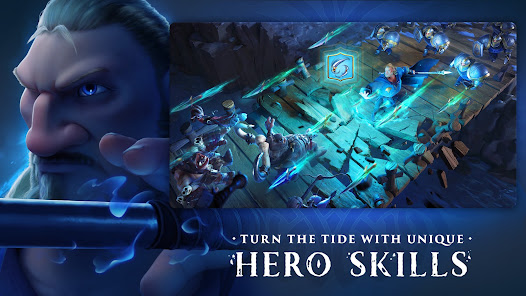
Skills rise from points earned as the hero levels. You choose where they go, which makes them the most strategic part.
Gear sits alongside all three as a separate investment. It multiplies whatever the hero already does.
Because the tracks advance independently, a hero can be high level and still weak. That gap is what confuses new players.
Look at all three before deciding a hero is ready. A missing track is usually the reason a formation underperforms.
On this page
Levelling versus ranking
Levelling happens by using the hero, so the fastest route is to put them in the marches you were going to run anyway.
Ranking needs shards, and shards are scarce. Spending them on a hero you will replace is the most expensive mistake available.
Rank often unlocks skill slots or raises caps, so it can be worth prioritising over raw level. Without rank, levels hit a ceiling.
That means the practical order is usually rank first where you can afford it, then level. The reverse wastes experience against a cap.
Check the next rank requirement before committing shards. Sometimes a small investment unlocks a large jump in capability.
Do not spread shards across many heroes. A single ranked hero outperforms five half-ranked ones in almost every mode.
Concentrate, and accept that most of your roster will stay at low rank for a long time. That is normal rather than a failure.
Skill points and where they go
Skill points are the only hero resource you spend by choice, which makes them the clearest expression of intent.
Read what each skill does before spending. Some improve the hero’s own damage, others help the whole formation.
Formation-wide effects usually scale better than personal ones. A small buff applied to every unit beats a personal bonus.
Pick a role for the hero and build toward it. Scattered points produce a hero who is adequate at several things and useful at none.
Resist the urge to fill every skill evenly. Depth in two or three skills beats shallow coverage across all of them.
If you are unsure, favour the skill that helps the troop type you field most. Alignment matters more than theoretical strength.
Skill choices are also hard to undo cheaply, so treat each decision as semi-permanent. Read twice and spend once.
Gear and equipment
Gear multiplies a hero’s existing strengths rather than creating new ones. Putting good gear on a weak hero produces a well-dressed weak hero.
Prioritise gear for heroes you actually field. Materials are limited, and spreading them thinly leaves every hero mediocre.
Match gear to the role. A hero built to survive wants different pieces from one built to deal damage.
Upgrading existing gear is often better than crafting new pieces. A strengthened core outperforms a wider but shallower collection.
Keep an eye on which materials you lack. Farming a specific source beats hunting at random and hoping for the right drop.
Gear also transfers between heroes in most cases, so a strong set is an account asset rather than a single investment.
That flexibility means you can move your best gear to whichever hero is currently leading your main march.
Which heroes to invest in
Early on, favour heroes that help you gather, build or train faster. Those bonuses apply to everything you do every day.
Combat heroes matter later, once you are regularly fighting players rather than clearing map content. Before that, they are mostly theoretical.
Ask what your alliance needs before committing. A hero that fills a role the group lacks gets you into more activities.
Concentrate on a small core rather than a wide roster. Two or three well-developed heroes carry most of your progress.
Ignore tier lists written for a different stage of the game. They assume spending and alliances you probably do not have.
Reassess periodically as your account grows. A hero who was ideal early may be the wrong choice once you start fighting.
The best investment is the one that helps the activity you do most, not the one that looks strongest in isolation.
Common development mistakes
The first is spreading shards across many heroes. Concentration is almost always the better use of a scarce resource.
The second is spending skill points evenly. Depth beats breadth when a hero has a defined role.
The third is crafting gear for heroes you never field. Materials spent that way are simply gone.
The fourth is ignoring rank caps. Levelling past a cap wastes experience you cannot recover.
The fifth is chasing tier lists. They describe a game state you are not playing in yet.
The sixth is neglecting the economic heroes because they seem boring. Their bonuses fund everything else quietly.
None of these are exotic errors. They are ordinary habits, and avoiding them is most of what development means.
Frequently asked questions
Should I rank or level a hero first?
Rank first where you can afford it, because rank often raises the level cap and unlocks skill slots.
How many heroes should I invest in?
A small core. A few well-developed heroes outperform a wide roster of neglected ones.
Are economic heroes worth developing?
Yes, especially early. Their gathering and construction bonuses apply across your whole account.
Should I craft new gear or upgrade existing pieces?
Usually upgrade. A strengthened core outperforms a wider but shallower collection.
Do tier lists help with hero choices?
Rarely. They assume a stage of the game, spending level and alliance context most players do not share.
For how talents interact with these tracks, see the talent guide on the Call of Dragons hub.
Official game information: callofdragons.farlightgames.com.