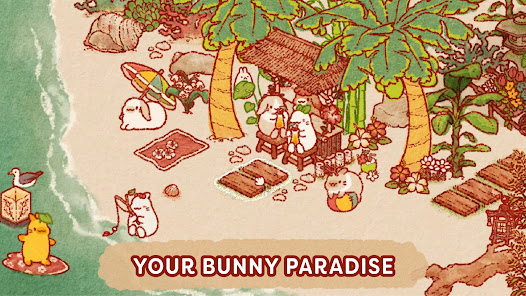
This guide covers usagi shima how to use buildings with practical steps for mobile players.
Quick answer: buildings in Usagi Shima are larger decorative structures that shape how an area feels and give bunnies somewhere to gather. They cost more than small items, so buy them once you have a broad base of cheap decorations rather than early. Place them as anchors for an area and build smaller items around them.
Buildings are the most expensive things in the shop and the most tempting. They look substantial, they change the island immediately, and they feel like progress in a way that a bench does not.
That makes them a common early mistake, because the same carrots spent on variety would attract more visitors.
What do buildings actually do?
They are large decorations. They occupy more space than small items and they read as a feature rather than as detail.
Mechanically they contribute to the island’s appeal in the same way everything else does, by giving bunnies something to interact with.
What makes them different is scale. A building defines an area, while a bench fills one.
That makes them useful as anchors once you have a layout, and less useful before you do.
They are also the items that make an island look established rather than assembled.
There is a reason for that. A building implies permanence, and permanence is what separates a place from a collection of objects.
Even a small structure does this. A little shop or a shed reads as somewhere that belongs, while a scattering of benches reads as somewhere that was decorated.
That is why players gravitate toward them despite the cost.
It is also why they are worth waiting for.
On this page
When should you buy your first one?
After you have a spread of small items and a rough layout. Buying a building first gives you one large object and nothing to put around it.
Once you have areas, a building can anchor one of them and make the whole thing read as intentional.
That sequencing matters more than the specific building you choose.
If you buy early, you will spend the next week trying to decorate around something that does not fit anywhere yet.
Wait until the island has structure, then add the thing that completes it.
Where should they go?
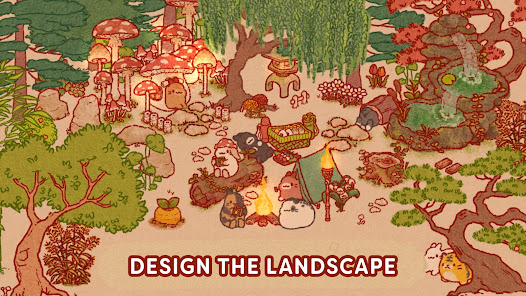
At the end of a path, or at the centre of an area you have already started. Somewhere the eye naturally arrives.
Placing a building in the middle of empty ground makes it look stranded. Placing it where a path leads makes it look like the destination.
They also work well as a backdrop, with smaller items in front. That gives the area depth without needing more space.
If you have several, spread them out rather than clustering. Two buildings side by side compete; two in different areas each define their own place.
Think of them as full stops rather than as sentences.
Do they attract specific bunnies?
They contribute to the island’s variety like any other item, so they help in the general sense.
What they do not do is replace the need for a spread of different things. A single building surrounded by nothing is one attraction.
So treat them as part of the mix rather than as a shortcut to a busy island.
If you want a specific rabbit, small varied items are usually a better investment than one large structure.
Buildings are for the look of the place, not for the visitor count.
Are they worth the cost?
Eventually, yes. They are the items that make an island feel finished, and a well-placed building does more for the overall impression than several small pieces.
Early on, no. The same carrots spent on variety produce more visitors and more carrots in return.
The right time is when you have enough income that a large purchase does not delay anything else.
At that point a building is a pleasure rather than a sacrifice.
Before that point it is a decision you will slightly regret.
There is a useful test before buying. Ask whether you already know where it goes. If the answer is immediate, you have a place for it and the purchase is sound.
If you are buying it and hoping a spot will appear, you are buying a problem rather than a decoration.
That question takes a second and it prevents most bad building purchases.
It also tells you when your island is ready for one, which is a satisfying moment in itself.
What are the common building mistakes?
Buying one before you have a layout. Placing it in empty ground. Clustering several together. And expecting it to attract visitors on its own.
The underlying mistake is treating a building as a shortcut to a good island. It is a finishing piece, not a foundation.
If you want a rule, buy small things until the island has areas, then buy one building to complete the best of them.
That order produces an island that looks designed rather than decorated.
Frequently asked questions
Do buildings produce carrots?
No. They contribute to the island’s appeal like any other decoration.
When should you buy the first one?
After you have a spread of small items and a rough layout.
Where should buildings go?
At the end of a path or at the centre of an existing area.
Do they attract specific bunnies?
They add variety in the general sense rather than targeting anyone.
Are they worth the cost?
Eventually. Early on, small varied items are a better investment.
Build areas with small items first, then add a building to complete the best one. You can also start from the Usagi Shima hub.
Official game information: usagishima.net.