Quick answer: If you want games like Whiteout Survival, look for mobile survival strategy games built around a base, an alliance and long-horizon progression. The closest matches are Last War: Survival, State of Survival and Frozen City, which share the same structure. Choose by whether you want heavy alliance warfare or a quieter base-building loop.
Whiteout Survival sits in a crowded genre, and most alternatives share its skeleton: a city to develop, troops to train, an alliance to join and events to compete in. The differences that matter are in pacing, social pressure and how much the game asks of your attention.
Which games are closest in structure?
Last War: Survival is the nearest match. It uses the same base-plus-alliance-plus-events structure with a strong emphasis on squad development.
State of Survival applies the formula to a zombie setting, with hero collection and a narrative frame attached.
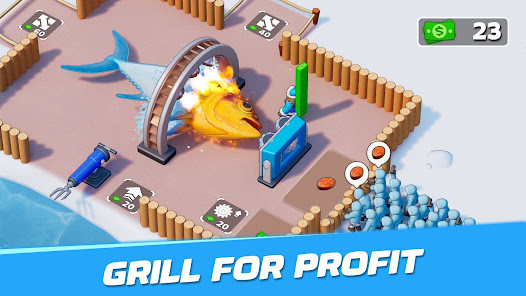
Frozen City takes the survival premise most literally, with heat and population management as central mechanics.
All three ask for the same routine: queue buildings, keep research moving, join an alliance, attend events.
On this page
Which is closest in theme?
Frozen City, which shares the cold-survival framing and the furnace-like core building.
It is a smaller game than Whiteout Survival, with a tighter scope and less of an alliance war focus.
That makes it a reasonable choice for players who liked the setting more than the PvP.
If you want the theme with the same depth, Whiteout Survival is the larger experience.
Which has the most active alliance play?
Last War: Survival and Whiteout Survival are both built around coordinated group activity.
Both require an alliance for events, rallies and territory, and both punish solo play with slower progress.
State of Survival is similar, though its emphasis on hero collection gives solo players slightly more to do alone.
If alliance coordination is what you enjoy, any of the three delivers it.
What should you avoid?
Games that gate progress behind a shop rather than behind waiting. If the only route to a usable account is spending, the game is not the one you want.
Games that demand constant attendance. A title that punishes an evening away becomes a job rather than a game.
Dead servers. Check that the game has active players in your region before committing months to it.
And avoid anything that markets itself purely on theme. The setting is the cheapest thing to copy.
How should you choose?
Decide what you want from the game. If it is large-scale alliance warfare, choose one of the bigger titles.
If it is the survival theme with less PvP pressure, Frozen City is the better fit.
If it is a specific setting, pick the theme you find least tiring, because you will be looking at it for a long time.
And check the alliance activity before committing. In this genre, the group you join matters more than the game you pick.
What do all of these games have in common?
They are all built around timers. Progress happens while you are offline, and the skill is in what you queue rather than what you do in a session.
They all require a group. Solo play is possible everywhere and inefficient everywhere.
They all run event cycles that reward preparation, which means holding resources is usually correct.
Knowing that, the choice between them is mostly about theme and population rather than about mechanics.
One practical difference between these games is how they handle the early game. Larger titles take weeks before a new account contributes meaningfully, while smaller ones reach a usable state in days. If your time is limited, that difference matters more than any feature list.
It also helps to look at how each game treats a returning player. Titles with catch-up mechanics are far easier to resume after a break, and in a genre where months away are common, that is a real consideration.
Finally, weigh the event calendar. Games with frequent scheduled events demand attendance; those with looser cycles suit players who log in when they can.
Read those three factors before the theme, because the theme is what you notice first and the pacing is what you live with.
Another consideration is how generous each game is with free currency. A title that gives new players a steady supply is easier to evaluate, because you can experience the loop before deciding whether to spend.
It also helps to check whether the game has a viable path for a low-spending account. Some do, some do not, and the difference shows up in how quickly you hit a wall.
Try one properly before trying several. In this genre, a month on one game teaches more than a week on four, because the systems only reveal themselves over time.
Frequently asked questions
Is Last War: Survival better than Whiteout Survival?
They are close. Both have deep squad systems; the difference is theme and server population.
Are any of these playable without spending?
All of them, though progress at the top of a server usually requires spending or a strong group.
Which has the shortest early game?
Smaller titles like Frozen City reach a usable state faster than the large alliance war games.
Do I need to join an alliance?
In the larger titles, yes. Most content and rewards are gated behind membership.
Which is best for a returning player?
An established game with catch-up mechanics. Newer titles often have harsher early pacing.
For the game itself, read the gameplay overview, or return to the Whiteout Survival hub.
Official game information: www.whiteoutsurvival.com.