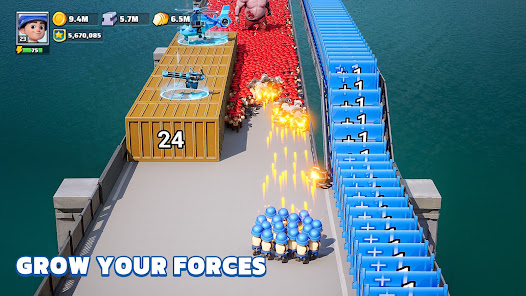
This guide covers last war survival gameplay overview with practical steps for mobile players.
Quick answer: Last War Survival is a mobile base-building war game with three layers: a city you upgrade, a hero squad you develop and an alliance you fight alongside. Progress comes from keeping construction, research and training queues busy, concentrating hero investment on one squad, and participating in alliance events. It is designed for short sessions over months rather than long single sittings.
The game presents a zombie survival story, but the systems underneath are a management game with a hero layer and a social layer on top. Understanding that structure explains almost everything about how it plays.
This overview covers what the game actually asks of you, which parts matter most and how the pieces fit together.
What kind of game is it?
It is a base builder at heart. You upgrade buildings, each upgrade takes real time, and construction continues while the game is closed. That structure is what makes short mobile sessions viable.
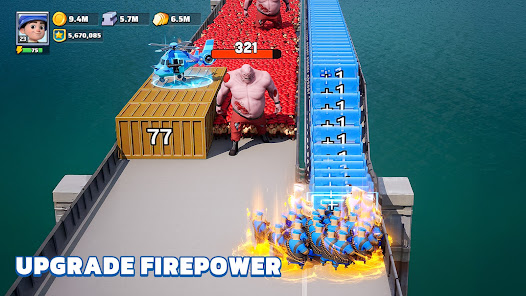
On top of that sits a hero system. You collect heroes, develop a squad and use it to clear content that pays the resources your city needs.
Above both sits an alliance. Group events, rallies and shared territory turn a single-player progression game into something social, and most of the best rewards arrive through group participation.
All three layers feed each other. The city produces resources, the squad clears content, and the alliance supplies materials that neither can produce alone.
It also explains why the game rewards logging in briefly and often. Each login restarts the passive systems, and those systems produce more over a week than any single long session.
On this page
What does a session look like?
| Activity | Time | Frequency |
|---|---|---|
| Start queues | Seconds | Every login |
| Collect alliance help | Seconds | Every login |
| Spend stamina | Minutes | Once or twice daily |
| Daily tasks | Minutes | Daily |
| Alliance events | Varies | Scheduled |
The first two rows are the highest value per second in the entire game. Starting a timer and requesting help takes almost no time and produces hours of progress.
The last row is where the largest rewards sit. Events are scheduled, so being available at the right time matters more than playing longer.
A session that skips the first two rows in favour of longer activities is a session that loses value. Two minutes of queue and help work is worth more than twenty minutes of fighting.
If your available time is unpredictable, aim to protect those first two rows and let the rest go. That minimum still keeps the account moving.
What matters most for progression?
Queue discipline first. An account that never leaves a builder idle grows faster than one that plays more hours but lets queues empty.
Hero concentration second. One developed squad clears content that a scattered roster cannot, and the rewards from that content fund everything else.
Alliance participation third. Timer help and event rewards arrive every week and cost nothing but showing up.
Everything else supports these three. Research, troops, equipment and gathering all matter, but they matter less than keeping the core three running.
Research deserves a mention because it is invisible and therefore neglected. Its bonuses apply across everything you own, which makes it one of the most efficient long-term investments available.
Troops are the third pillar people underestimate. They are trained in a queue like everything else, so an idle training building is lost combat capacity that no amount of hero investment replaces.
Is it pay to win?
It is pay to accelerate. Spending shortens timers and adds capacity, both of which speed up progress, but a careful free player still grows steadily.
The gap between spending and free play is largest in the first weeks, when the paid player’s extra builders compound fastest. Over months the difference narrows into a matter of pacing rather than capability.
What money cannot buy is queue discipline. An account that leaves queues empty wastes its purchases as surely as it wastes its time.
Premium currency follows the same principle as everything else. Permanent purchases compound; temporary ones do not, and the game offers plenty of both.
How does the social layer work?
Alliances provide timer help, event rewards and reinforcement. They also provide information, which is probably the most useful thing a new player can receive.
Group events are the main reason to join. They run on a schedule and pay materials that are otherwise slow to obtain, so regular participation is worth more than individual optimisation.
Rallies let groups hit targets no individual could clear, which turns coordination into content that does not otherwise exist.
Groups also vary enormously. A small active alliance outperforms a large quiet one on every measure that affects your account, so activity is the thing to check before joining.
What should a new player know?
Keep every queue running, join an alliance immediately, and put everything into one squad rather than several. Those three habits cover most of what matters in the first month.
Save premium currency for permanent improvements rather than timer skips. The early game is generous enough that patience covers most of it.
Expect the pacing to be slow and steady. This is not a game to finish; it is one to maintain, and the accounts that last are the ones whose routines are sustainable.
One final expectation worth setting: progress will feel slow in month two and normal again by month three. Almost every account goes through the same dip, and the ones that continue are the ones that survive it.
Frequently asked questions
Is it playable without spending?
Yes. Consistent play grows an account steadily, though spending accelerates it.
How much time does it need daily?
Ten to fifteen minutes split across two logins is enough for steady progress.
Do I need an alliance?
Not strictly, but you lose timer help and event rewards, which are significant.
What should I focus on first?
Queues, one hero squad, and joining an active alliance.
Is there a story?
There is a narrative framing, but the systems are what you actually engage with.
Once the structure makes sense, the practical starting point is a routine that keeps every queue busy. The Last War Survival overview covers the game as a whole, and planning headquarters upgrades explains the progression decision that shapes everything else.
Official game information: www.lastwar.com.