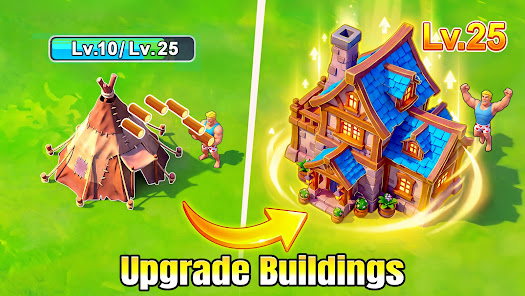
This guide covers lords mobile gameplay overview with practical steps for mobile players.
Quick answer: Lords Mobile is a mobile strategy game about building a castle, training an army and fighting alongside a guild for control of a kingdom. You develop a city, research technology, collect heroes and troops, and join a guild to compete in events and wars. Progress is measured in months, not hours, and the game rewards routine maintenance more than any single clever decision.
It is a genre-defining title in the mobile strategy space, and understanding what kind of game it is will save you a great deal of confusion. It is not a game you finish; it is a game you maintain, and the players who enjoy it are the ones who like the maintenance.
What do you actually do in Lords Mobile?
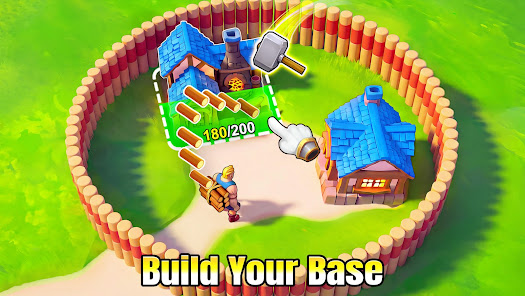
You build a castle and the buildings around it, research upgrades, train troops and collect heroes. Those four tracks run in parallel and each one gates the others at some point.
You also manage an economy. Resources come from production buildings, gathering marches and rewards, and they fund everything else.
Then there is the social layer. Guilds fight over territory, participate in events and coordinate attacks, and solo play is a much slower version of the same game.
The loop is build, gather, train, fight, and repeat with larger numbers each time.
On this page
How does progression work?
Mostly through building levels. The castle gates everything, and each tier unlocks new buildings, troops and research.
Research runs in parallel and is slower, but it determines troop quality and unlocks the higher tiers that matter later.
Heroes progress separately through medals and stages, and they affect how well your army performs in every mode.
Those three tracks interlock: you cannot research without buildings, cannot build without resources, and cannot gather efficiently without heroes.
Understanding that they move together is what stops a player from over-investing in one and stalling.
What is the role of a guild?
A guild provides protection, shared research, gifts and the ability to attack targets no single player could handle.
Membership also gates events, which are the main recurring source of rewards. A player outside a guild is effectively skipping a large part of the economy.
Guilds also determine where you can safely gather and how quickly you can rebuild, because reinforcement and territory matter on the map.
Chasing a good guild is therefore as important as any individual upgrade.
How does combat work?
You send troops led by heroes against other players, monsters or event targets. The outcome depends on troop tier, hero strength, research and the matchup between troop types.
Gathering marches are vulnerable, so combat is partly about protecting what you have rather than only about taking what others have.
Losing troops is expensive, which is why healing capacity matters as much as training capacity.
Most combat happens in rallies, where a guild combines strength against a target and shares the result.
How long does progress take?
Longer than most players expect. Building and research timers stretch into days and then weeks, and the game is designed around waiting.
That is not a flaw so much as the genre’s structure. The interesting decisions are about queueing and priority rather than about actions taken in a session.
Players who enjoy planning around timers stay for years; those expecting rapid results usually leave in the first month.
The pace also means early decisions matter more than they appear, because their effects compound across months.
Who is it for?
Players who like long-horizon planning, social coordination and the steady accumulation of advantage.
It is less suited to players who want a game they can finish, or who dislike waiting as a core mechanic.
It is also a game where a guild matters more than raw spending. A coordinated group of modest accounts outperforms scattered strong ones in most events.
If that sounds appealing, the systems described here are the whole of it.
One practical consequence of the long timeline is that logging in consistently beats logging in for long sessions. Two short visits a day keep queues running and marches restarting, which produces more progress than a single long evening once a week.
It also means the game rewards setting up routines rather than making decisions. Once your queues, gathering marches and event participation are habitual, the account grows without requiring much attention at all.
Finally, expect the first month to feel slow and the second to feel faster. The systems compound, and a player who keeps the routine through the quiet early period is the one who is still playing a year later.
Frequently asked questions
Is Lords Mobile free to play?
Yes, and it is playable without spending. Spending accelerates progress rather than unlocking it.
Can I play solo?
You can, but you lose access to events, shared research and rallies, which slows everything considerably.
What should I build first?
The castle and the buildings it requires. That path gates everything else.
How often should I log in?
Ideally twice a day, so queues stay full and marches restart. Shorter check-ins are enough once routines are established.
Do I need to spend money to compete?
Not to play. Competing at the top of a kingdom usually requires spending or a very strong guild.
For the basics, read the new account guide, or return to the Lords Mobile hub.
Official game information: lordsmobile.igg.com.