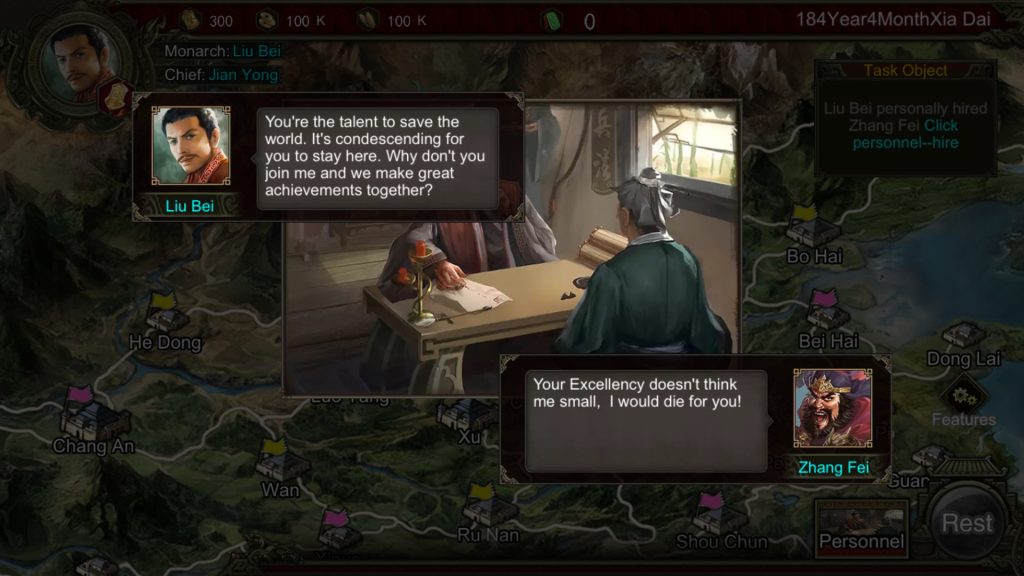
This guide covers rise of kingdoms gameplay overview with practical steps for mobile players.
Quick answer: Rise of Kingdoms is a mobile strategy game about building a city, researching technology, training troops and fighting with an alliance on a shared world map. You progress by keeping queues busy, joining an active alliance and pushing your City Hall. Combat is real but expensive, and most of the game is scheduling rather than fighting.
The game sits in the same category as other long-running mobile strategy titles, and like all of them it is built around timers. What you do is choose which timers to run, in what order, and with what support from other players.
Understanding that framing early saves a great deal of confusion, because the game presents itself as a war game and is actually a resource and time allocation game with war attached.
That mismatch is responsible for most of the frustration new players experience. Someone arrives expecting to fight, discovers that fighting costs weeks of accumulated resources, and concludes the game is broken or unfair. In reality the fight was never the point of the early game; building the account that can afford to fight is. Once you accept that the first month is mostly construction and research, the pacing stops feeling like a barrier and starts feeling like the game it actually is.
It also explains why the most successful players talk about queues and timers rather than about battles. They are optimising the part of the game that actually determines outcomes.
What do you actually do day to day?
You check your queues, start new upgrades, send gathering marches, collect rewards and respond to whatever your alliance is doing. Most sessions are a few minutes long and repeat several times a day.
The activity is deliberately low-intensity, which is why it fits into odd moments rather than requiring long sittings.
Longer sessions happen during wars and events, when coordination matters and there is real-time activity to join.
On this page
How does progression work?
Through City Hall levels, which gate buildings, troop tiers and research. Everything else follows from raising it.
Alongside that, research compounds your efficiency, commanders provide combat strength and equipment adds permanent bonuses.
The progression is measured in weeks and months rather than hours, which is normal for the genre.
What that pace means in practice is that decisions compound slowly and errors are rarely fatal. A week of inefficient play sets you back, but it does not ruin an account, which is a more forgiving design than it first appears. The players who struggle are usually not the ones who made one bad choice, they are the ones who made the same small mistake every day for a month, such as leaving a queue empty or never spending action points. Consistency matters far more than any individual decision, and that is genuinely good news for anyone starting out.
What role does combat play?
It is the visible part of the game and the most expensive. Fighting costs troops, which cost resources and time to replace.
Most combat happens in organised group activity rather than solo attacks, because attacking alone is inefficient and dangerous.
The exception is raiding much weaker or inactive players, which is profitable but not particularly interesting.
How important is the alliance?
Central. Alliances provide territory, timer help, shared gifts, rallies and protection, none of which are available solo.
A player in an active alliance progresses noticeably faster than an identical player without one, purely because of the accumulated shared benefits.
Choosing an active group over a prestigious one is the standard advice for good reason.
Is it pay to win?
Spending accelerates progress substantially, which is true of the genre. Free players still progress by being consistent and joining good groups.
The gap between a spender and a free player is real, but it is measured in speed rather than in access to content.
Which means the game remains playable for free, provided you accept a slower pace.
What should a new player know first?
Push City Hall, join an active alliance, keep research running and spend action points before they cap. Those four habits cover most of what separates a smooth start from a frustrating one.
Do not attack players early, and do not hoard resources you could be spending.
The game rewards patience and routine far more than it rewards clever tactics.
If you want a single test for whether this game will suit you, consider how you feel about a routine that changes slowly. Players who enjoy watching numbers improve over weeks tend to stay; players who need constant novelty tend to leave within a fortnight, and there is no shame in either.
The game is honest about what it is once you understand it, and that honesty is worth respecting even if the pace is not to your taste.
What the game does well is give you a clear sense of progress. Numbers go up, buildings appear, troops get stronger, and because the increments are small and frequent you notice them constantly. That feedback loop is the reason the genre works at all, and it is why people who describe the game as boring often still find themselves checking it several times a day.
What it does less well is explain itself. Very little is tutorialised, and most of what you need to know lives in alliance chat rather than in the interface, which is the single strongest argument for joining a good group early.
That is worth weighing before you start. If you enjoy working things out and asking questions, the opacity is part of the appeal. If you want a game that teaches you clearly and rewards you for reading its menus, this one will frustrate you long before it charms you. But if you enjoy the slow construction of a system you understand better than the people around you, it will hold your attention for a very long time.
Frequently asked questions
Is it playable without spending?
Yes, though progress is slower than for paying players.
How much time does it need daily?
Several short sessions are more effective than one long one.
Can you play solo?
Technically yes, but you lose most of the game’s systems.
Is combat required?
Not for basic progression, though alliance activity usually involves it.
What is the single most important habit?
Never leaving a queue idle.
It is a game about routine and coordination more than about battles, and playing it that way makes it far more rewarding. You can also start from the Rise of Kingdoms hub.
Official game information: rok.lilith.com.