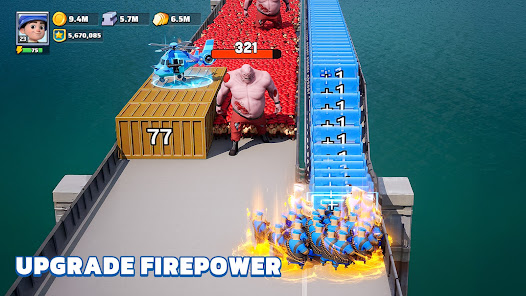
This guide covers last war survival how to train troops with practical steps for mobile players.
Quick answer: Keep your training queue running continuously rather than training in bursts before a fight. Troops take time to produce, so an idle training building is lost combat capacity you cannot buy back quickly. Train the highest tier you can sustain, keep a reserve for alliance rallies, and always heal wounded troops before training new ones so you are not paying twice for the same soldiers.
Troops are the part of your power that is easiest to neglect because nothing visibly breaks when your training queue sits empty. Then an event arrives, you need a full army, and you discover you have a fraction of what your account level should support.
The fix is simple and boring: treat troop training like a building queue that should never be idle, and make decisions about tier and quantity in advance rather than under pressure.
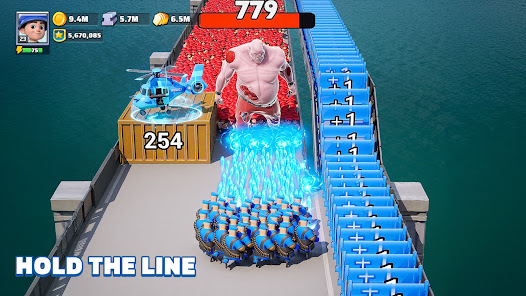
How does troop training work?
You spend resources and time to produce troops at your current tier, with higher tiers costing more and taking longer. Training capacity is a building upgrade, and it determines how many troops you can produce at once.
Troops are consumed in combat and become wounded rather than destroyed outright in many cases. Wounded troops go to a healing facility and return to service after treatment, which is why healing capacity matters as much as training capacity.
The queue format means production continues while you are offline, so the practical question is never whether you can train but whether you remembered to start it.
Tier matters as much as quantity. Higher-tier troops are meaningfully stronger per unit, so a smaller army of better troops often beats a larger army of worse ones.
There is a second reason to keep it running: the resource cost is spread across the day rather than taken in one lump. Burst training drains your stockpile right when you need it for upgrades, while continuous training pays in small increments.
On this page
What should you train?
| Priority | What to train | Reason |
|---|---|---|
| 1 | Replacements for wounded troops | Restores the army you already had |
| 2 | Highest sustainable tier | Better per unit than quantity |
| 3 | Reserve for alliance rallies | Events demand a standing army |
| 4 | Extra troops for campaign pushing | Useful but not urgent |
| 5 | Low-tier troops for filler | Only when capacity is otherwise idle |
The first row is the one players skip. If you have wounded troops waiting in the hospital, training new ones is paying twice for the same slot in your army.
The second row is a judgement call. Train the highest tier you can keep producing consistently, not the highest you can afford once.
Ask your alliance what composition they field for group events. Training to match your group makes you more useful in rallies, and it avoids producing a mix nobody can use together.
How do you keep the queue running?
Start a long training batch before you log off, exactly as you would with a building. A queue that runs overnight produces troops you can use the next day without any attention.
Check the queue at the start of every session. It empties faster than players expect during active periods, and refilling it takes seconds.
Keep enough resources banked to refill immediately. Running out of the required resource mid-session is the most common reason queues sit idle.
Do not train past your capacity for a fight you cannot win. Excess troops cost resources and can be lost in a single bad engagement where retreat would have been wiser.
If your training queue empties overnight because the batch was too short, use the longest option available. A batch that finishes at breakfast is worth more than one that finished at midnight and waited.
How do healing and training interact?
Wounded troops come back through healing rather than training, and healing is usually cheaper and faster than producing a new soldier. That makes healing the first action after any fight.
If your healing facility is full, you are losing the ability to recover losses efficiently. Upgrading it is often better value than another training capacity upgrade at the same account level.
A useful habit is to heal immediately after every engagement rather than saving it for later. Healing capacity that sits unused is capacity you cannot use when a bigger fight arrives.
Healing also restores combat power without consuming training slots, which means a player who heals promptly effectively has a larger usable army than one who does not.
How many troops do you need?
Enough to fill your march capacity with the highest tier you can sustain, plus a reserve for alliance events. Beyond that, extra troops are resources sitting idle.
Because events often reward participation measured by troops committed, having a full army available matters more than raw power numbers. An account with a prepared army performs better than a stronger account that is short on soldiers.
Watch your power rating rather than troop count alone. It reflects tier, research and equipment together, which is a better guide to actual combat capability.
If your march capacity is the limit rather than your troop count, look at research and hero development instead of producing more soldiers you cannot deploy at once.
What should you avoid?
Do not train low-tier troops to fill empty capacity just because the queue would otherwise be idle. That capacity is better used producing the tier you will actually field.
Do not attack with troops you cannot replace. A victory that costs you a week of production is a net loss in a game that runs on queues.
Do not neglect the buildings that support training and healing. Troops without infrastructure is an army you cannot sustain across a long event.
Frequently asked questions
Are higher-tier troops always better?
Per unit, yes. But a tier you cannot sustain is worse than a tier you can keep producing.
Do troops train while offline?
Yes, which is why starting a long batch before logging off matters.
Should I heal or train first?
Heal. Recovering wounded troops is cheaper than producing new ones.
How many troops should I keep in reserve?
Enough for the events you intend to join, plus a margin for losses.
Does troop type matter?
Yes. Composition affects how your army performs against different opponents.
Troop production feeds directly into how much you can contribute in group content, so alliances are the natural companion topic. The Last War Survival overview covers the systems, and healing troops explains the recovery side.
Official game information: www.lastwar.com.