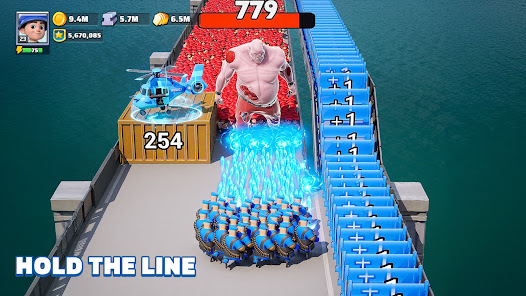
This guide covers last war survival how to manage equipment upgrades with practical steps for mobile players.
Quick answer: Upgrade equipment on your main squad first, in the order damage, durability, support. Equipment multiplies base stats, so it pays most on heroes who are already well developed, and it is usually cheaper than the next star level. Do not spread upgrades across bench heroes, and check whether a piece needs a material you are short of before you start.
Equipment is the most underrated power increase in the game. Players chase shards and levels while leaving gear at low upgrade levels, then wonder why a fully starred squad still loses fights.
The reason gear is so efficient is that it multiplies rather than adds. A hero with high stars and levels gets more from the same equipment than an under-developed one, which is why the order of investment matters.
How does equipment work?
Each hero carries a set of gear pieces, and each piece can be upgraded in levels. Upgrades raise the stats that piece provides, which then applies on top of the hero’s base stats from levels and stars.
Because the effect is multiplicative, equipment on a fully developed hero produces a much larger gain than the same equipment on a hero who is still being levelled.
Upgrading usually costs materials and currency, with higher levels requiring rarer inputs. Some upgrades may need specific items rather than generic currency.
Gear also often has set or type considerations, where pieces suit particular roles better. Reading the description before upgrading saves you from improving a piece that does not fit the hero.
It also helps to know that gear levels are permanent. Unlike a temporary buff or an event bonus, an upgraded piece keeps working for the rest of the account’s life, which makes it one of the safest places to spend materials.
On this page
Which pieces should you upgrade first?
| Priority | Piece or hero | Reason |
|---|---|---|
| 1 | Main damage dealer’s weapon | Shortens fights, which reduces losses |
| 2 | Front line armour | Keeps the squad standing long enough |
| 3 | Support gear | Sustains longer engagements |
| 4 | Secondary damage pieces | Useful once the essentials are covered |
| 5 | Bench hero gear | Only when a mode demands that hero |
The logic behind the first row is that damage ends fights. Shorter fights mean fewer opportunities for your squad to take casualties, so offence doubles as defence.
The second row becomes more important as content gets harder. Early stages reward pure damage; later stages require surviving long enough to use it.
If your squad dies to burst damage rather than losing long fights, reverse the first two rows. Durability first keeps everyone alive long enough to use their damage at all.
Read the stat on each piece rather than the name. Two pieces with similar names can provide different bonuses, and upgrading the wrong one costs materials you cannot easily replace.
How do you decide between gear and stars?
Compare the cost of the next star against the cost of several gear upgrades. Gear is usually cheaper per point of power, particularly at higher star levels where shard costs rise sharply.
That makes gear a good way to keep improving while shards accumulate. It is also the reason accounts with identical heroes perform differently, since one invested in gear and the other did not.
Gear never replaces stars entirely, because stars multiply the base that gear improves. The practical approach is to alternate: push a star when you can, then spend on gear while the next star is out of reach.
A useful rule is to keep one gear upgrade in progress at all times. Materials trickle in from normal play, and spending them as they arrive prevents the situation where you have plenty and simply forget.
Where do upgrade materials come from?
Campaign stages, events, dismantling unwanted gear and specific modes all provide materials. Dismantling is worth knowing about, because extra low-level pieces otherwise sit unused.
Check what your next upgrade needs before you spend currency elsewhere. Being short of one specific material is the most common reason gear upgrades stall.
Events often provide materials as milestone rewards, which makes participation a gear upgrade in disguise. Aligning your play with the event calendar is more efficient than farming materials slowly.
Dismantling deserves a warning: check whether a piece is part of a set before converting it. Sets sometimes provide bonuses that individual upgrades cannot match.
Should you upgrade bench heroes?
Only when a mode requires a specific hero you would not otherwise field. Bench gear is otherwise resources diverted from your main squad.
If you do upgrade a bench hero, take the cheapest useful pieces rather than aiming for full development. The goal is to satisfy the requirement, not to build a second squad.
Review bench gear occasionally. Heroes that once seemed necessary often become irrelevant as your main squad improves, and that gear could have gone elsewhere.
Bench gear also becomes obsolete quickly. If you upgraded a hero for one event and no longer use them, that gear is effectively dead weight in your plans.
What should you avoid?
Do not spread upgrades evenly across every hero. Concentrated gear on a developed squad produces visible results; thin gear everywhere does not.
Do not upgrade a piece without checking whether the hero uses it well. Some pieces suit roles the hero does not fill, and improving them wastes materials.
Do not ignore gear because shards are more exciting. Gear is often the cheapest available power increase and it is available immediately rather than after weeks of farming.
Finally, do not dismantle gear you might need for a hero you are about to develop. Check your plans before converting anything into materials.
Gear is quiet, permanent progress, and it rarely disappoints when the rest is already done.
Frequently asked questions
Is gear better than stars?
Cheaper per point, but stars multiply what gear improves. Use both.
Can I move gear between heroes?
Usually not freely. Treat each piece as committed to its hero.
What should I dismantle?
Duplicates and pieces for heroes you do not use, after checking your plans.
Do equipment upgrades need rare materials?
Higher levels often do, which is why events matter for gear progression.
Should I upgrade gear before heroes?
After stars and levels, generally. Gear multiplies what those provide.
Equipment decisions sit alongside hero investment, so the squad plan is the natural companion topic. The Last War Survival overview covers the systems, and developing a hero squad explains how gear fits the wider plan.
Official game information: www.lastwar.com.