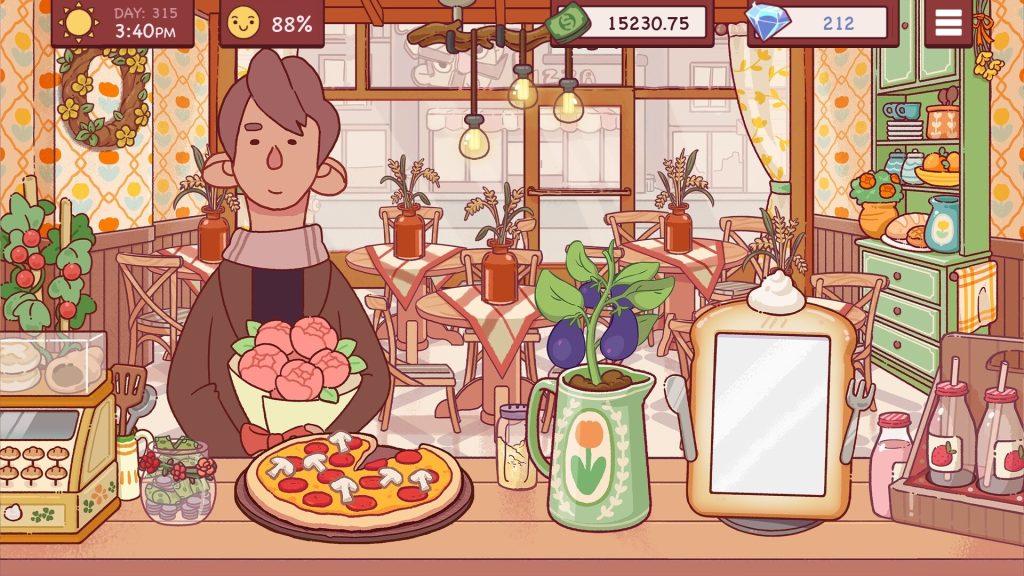
This guide covers good pizza great pizza beginner guide with practical steps for mobile players.
Quick answer: Good Pizza Great Pizza is a mobile pizza shop game where you read each customer’s order, build the pizza with the right dough, sauce, cheese and toppings, bake it, and serve it before their patience runs out. Start by learning to read orders carefully, spend early coins on oven speed and a couple of decorations, and unlock toppings as chapters introduce them rather than trying to buy everything at once.
What is the core loop of Good Pizza Great Pizza?
Every order follows the same sequence. A customer arrives and describes what they want, often in loose conversational language rather than a clean list. You stretch the dough, spread sauce, add cheese if the order calls for it, place the toppings they asked for, and put the pizza in the oven. When it comes out baked, you slice it if the game asks you to and hand it over.
The skill is not in the baking, which is mostly waiting, but in the interpretation. Customers say things like extra cheese, no cheese, well done, or light on the sauce, and each phrase maps to a specific action on the build screen. Reading the request accurately is what separates a clean shift from a stream of complaints and refused pizzas.
Between orders you manage the shop itself. You spend the coins you earn on oven upgrades, new toppings, decorations and garden space, and those purchases decide how quickly you can work and how much each customer is willing to pay. The loop is deliberately short so that a single session can be five minutes or an hour.
What makes the loop feel rewarding is the feedback. A well-made pizza produces a happy customer, a decent tip and a visible improvement to your shop, while a mistake produces an immediate, specific complaint that tells you what you got wrong. That constant feedback is why the game is easy to pick up and hard to put down, and it is also why reading carefully beats rushing.
On this page
How do orders and patience timers work?
Each customer has a patience meter that drains while they wait. If it empties before you serve them, they leave, you lose the sale, and your reputation takes a knock. The meter is the real difficulty system in the game, more than any baking step, because it forces you to work in a sensible order rather than perfecting one pizza while three others give up.
Patience is affected by what you have built. Decorations raise the appeal of your shop and make customers more tolerant, and oven upgrades shorten the bake so the waiting time per pizza drops. Spending on those two things early is what turns a frantic shift into a manageable one, and the effect compounds as orders get more complicated in later chapters.
When several orders are waiting, serve the one closest to leaving first rather than the one you started first. That sounds obvious, but the game does not force you to finish a pizza before beginning another, so you can prep a base while a bake runs. Efficient players interleave work constantly and never stand watching an oven when another customer is about to walk out.
It helps to think of the shop as a queue rather than a list of separate jobs. Dough and sauce can be prepared while something bakes, and a pizza that is already assembled only needs its final topping once the oven is free. Once you start treating preparation and baking as two tracks running at once, the peak hours stop feeling like a panic and start feeling like a rhythm you control.
How should you spend coins early?
Put your first coins into the oven. A faster bake reduces the wait on every single order for the rest of the game, and there is no order that a faster oven makes worse. It also reduces the window in which a customer can lose patience, which means fewer lost sales and a steadier income to fund everything else.
After the oven, buy a decoration or two. Decorations are not just cosmetic in this game, because a better looking shop improves how customers respond to you and how much they leave in tips. You do not need to fill the room, but a small upgrade to the storefront pays back faster than saving for a topping you cannot use yet.
Do not spend everything on unlocking toppings in a rush. Toppings arrive with the story and with new chapters, and buying ahead of the orders that need them leaves you with ingredients that sit unused while your oven is still slow. Let the chapter you are in tell you what to unlock next, and keep a little coin in reserve for the daily costs the shop charges you.
There is also a case for holding coins before a chapter transition. New chapters tend to introduce customers with more demanding orders, and arriving at one with a slow oven and no savings means starting from behind. A modest reserve lets you buy the upgrade the new content immediately needs instead of grinding through it with equipment that was already marginal.
How do toppings unlock as you progress?
Toppings are gated by progress rather than by pure currency. New chapters and story beats introduce new ingredients, and the game expects you to use them in the orders that follow. That is why a player who has rushed ahead often feels lost when an order asks for something they have never seen, while a player following the story has already built the pizza once.
When a new topping appears, make a point of using it correctly straight away. Many orders are designed to test whether you understood what the new ingredient does, so a topping that seems decorative in one chapter becomes essential in the next. Reading the customer’s wording carefully at the moment of introduction saves a lot of trial and error later.
Your topping selection also affects waste and cost. Stocking every topping at once is not the goal, and a lean selection that matches the current chapter’s orders keeps your costs down. As the story widens, the game gives you more slots and more reasons to use them, so there is no benefit to hoarding unlocks you cannot yet apply.
How do dialogue choices affect your shop?
Conversations with customers are not filler. The replies you pick change how the customer reacts, and a warm or helpful answer usually produces a better tip and a friendlier follow up, while a curt or dismissive answer can cost you money even when the pizza itself was perfect. The game keeps track of how you treat people, and the story leans on those relationships.
The safe approach is to listen for what the customer actually wants before choosing a response. If they are unsure about a topping, they are usually asking for a recommendation, and answering with a specific suggestion reads better than a neutral refusal. These choices are also where a lot of the game’s humour lives, so paying attention makes the game more enjoyable as well as more profitable.
You do not need to agonise over every line. Most choices affect tips and tone rather than locking you out of content, so a sensible, polite answer is almost always the right one. The exceptions are the story beats that ask you to take a side, and there the game generally makes the consequence clear enough that you can choose deliberately.
What should you do daily to keep progress moving?
Check the daily tasks first, because they are the cheapest source of coins and ingredients for the time they take. They usually ask you to serve a certain number of customers or make specific pizzas, which you were going to do anyway, so completing them costs nothing extra and funds the next upgrade.
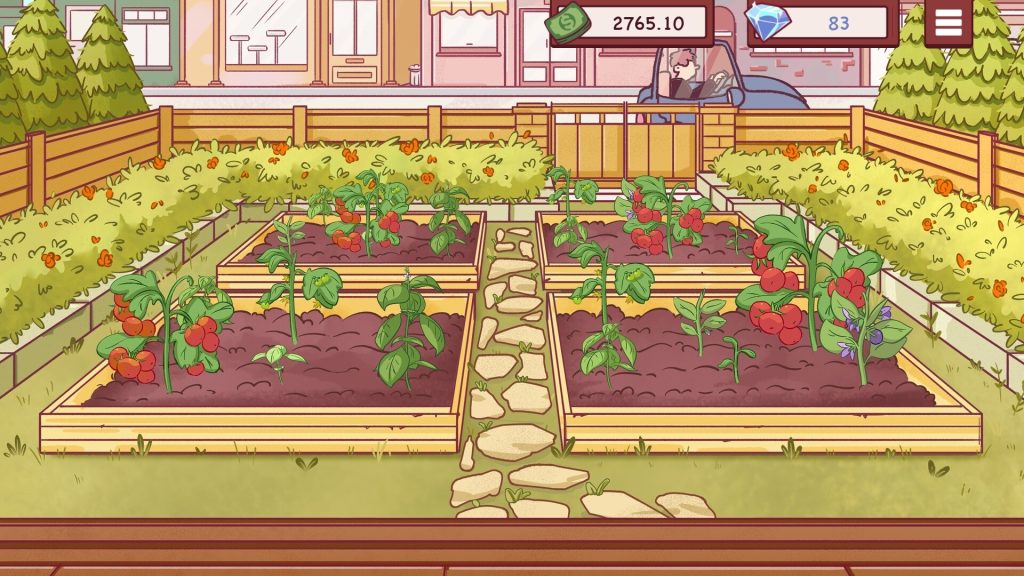
Spend a few minutes on the garden if you have it. Growing ingredients gives you a supply you would otherwise buy, and harvesting on a routine keeps the stock turning over instead of sitting ripe while you are offline. The garden rewards regular short visits far more than one long session, so treat it as a habit rather than a task.
Finally, finish the chapter you are on before chasing side content. The story is what unlocks toppings, customers and shop features, and progress in the story makes every other activity more rewarding. A player who pushes the chapters forward will always have more options than one who grinds the same early orders for coins.
Frequently asked questions
Do I need to play every day?
No, but short regular sessions suit the game better than rare long ones, because daily tasks and garden growth both reward frequency.
What should I upgrade first?
The oven. A faster bake improves every order, while most other purchases only help in specific situations.
How do I stop customers leaving?
Serve the customer closest to losing patience first, use decorations to raise tolerance, and upgrade the oven so bakes take less time.
Are dialogue choices important?
They affect tips and how characters treat you later. Polite, specific answers are almost always the better option.
Can I unlock every topping immediately?
No. Toppings arrive with story progress, so pushing the chapters forward is the way to widen your menu.
For order-reading detail, see the interpretation guides on the Good Pizza Great Pizza hub, and the oven upgrade guide explains what to buy first.
Official game information: www.goodpizzagreatpizza.com.