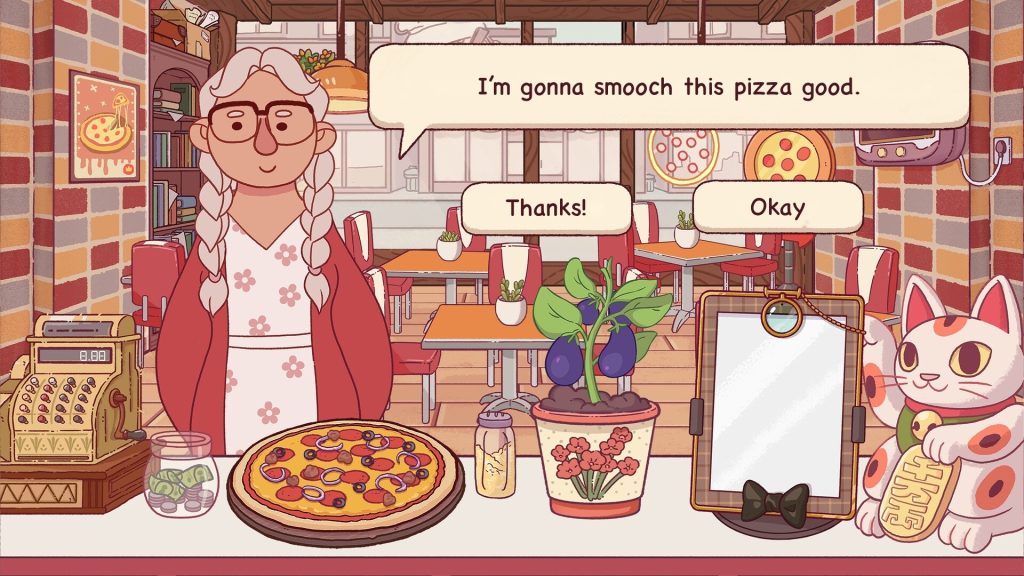
This guide covers good pizza great pizza how to earn more tips with practical steps for mobile players.
Quick answer: tips in Good Pizza, Great Pizza come from serving customers accurately and quickly, and they rise when you stop making them wait. Get the order right first, because a wrong pizza costs you the tip and the payment, then work on speed by preparing bases before orders arrive. The customers who tip best are the ones who never had to repeat themselves.
Tips are the difference between a day that covers costs and a day that moves you forward. They are also the clearest feedback the game gives you about how well you are actually doing.
A player who earns generous tips is reading orders correctly and working efficiently. A player who earns almost nothing is usually making one specific mistake repeatedly.
The good news is that tips respond quickly to changes in how you play. Improve your routine and you will see the difference within a few days.
What follows is how the system works and what actually moves the number.
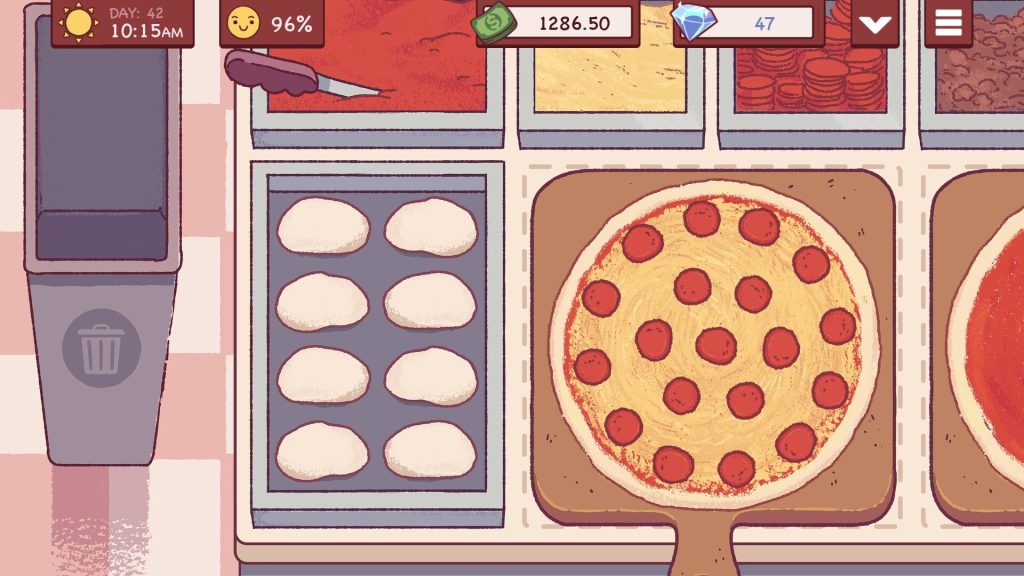
What determines the tip
The tip is calculated from how satisfied the customer is when they leave. Accuracy matters most, because a pizza that does not match the order is a failure regardless of how fast it arrived.
Speed matters second. A correct pizza delivered late earns less than a correct pizza delivered promptly, and the difference is noticeable.
There is also a patience element. Customers who have been waiting a long time tip poorly even when the order is eventually correct, because the experience was unpleasant.
So the tip is really a measure of the whole interaction rather than just the food. That is worth remembering when you are trying to work out why a particular customer left unhappy.
If you consistently earn low tips, the cause is almost always accuracy rather than speed. Fix the orders first and the tips follow.
On this page
Getting orders right consistently
Read the whole order before you start placing toppings. Customers describe what they want in different ways, and skimming the first line is how mistakes happen.
Pay attention to the phrasing. Some customers are precise, some are vague, and some deliberately mislead you. The vague ones are the ones who cost you tips.
If an order is ambiguous, the game usually gives you a clue in the wording. Learning those clues is the single biggest improvement most players can make.
Double-check before serving. A second of verification is cheaper than a remake, and a remake costs you the customer’s patience as well as the ingredients.
Practice on the simple orders until the pattern is automatic. Accuracy under pressure comes from repetition, not from trying harder.
Working faster without rushing
Speed comes from preparation rather than from moving your hands quicker. Lay out bases and common ingredients before the rush begins.
Learn the oven timing so you are not standing and watching. Use the wait to prepare the next order instead.
Group similar tasks. If two customers want the same base, prepare both together rather than doing them one at a time.
Avoid unnecessary movement. The less you travel around the kitchen, the more orders you complete in the same time.
The fastest players are not frantic. They are organised, and their speed comes from never having to think about what to do next.
It also helps to notice which customers are regulars. A regular who is served well comes back, and a returning customer is worth more over a week than a single generous tip from a stranger who never appears again.
Managing customer patience
Every customer has a patience limit, and it drains while they wait. Serving them inside that window is what protects the tip.
When several customers arrive at once, serve the one closest to losing patience first rather than the one who arrived first. That single habit prevents most lost tips.
If a customer is clearly going to be missed, decide quickly rather than trying to save everyone. Half-finished attempts cost you the tip on two orders instead of one.
Watch the visual cues rather than the clock. The game shows you who is getting impatient, and reading those cues is faster than counting seconds.
Patience management is a skill that improves with attention. Once you are used to scanning the queue, it becomes automatic.
What actually reduces tips
Wrong toppings are the biggest cause, and they are almost always the result of skimming rather than misunderstanding.
Slow service is second. A correct pizza delivered late still earns something, but much less than it should.
Remaking an order is third, because it costs time twice and usually pushes the next customer past their limit.
Ignoring an impatient customer is fourth. Letting someone leave costs you the whole payment, not just the tip.
Notice that none of these require special knowledge. They are habits, and habits can be changed.
Building a routine that earns
Start each day by checking what is available and preparing accordingly. A minute of setup saves several minutes later.
Serve in order of urgency rather than arrival. This is the single change that improves tips most for most players.
Keep the kitchen organised so you never have to search for an ingredient during a rush.
Review what went wrong at the end of each day rather than moving on immediately. One specific correction per day compounds quickly.
Over a week, those small corrections turn a struggling shop into one that earns comfortably, and the tips are the clearest evidence of the change.
If you find yourself consistently losing tips on one kind of order, write it down and practise it. A single stubborn topping that you keep misreading can cost more than any amount of speed.
Frequently asked questions
Do tips depend on speed or accuracy?
Accuracy matters more. A correct pizza always earns something, while a wrong one usually earns nothing.
Can I recover a bad tip?
Not for that customer. Focus on the next one rather than trying to compensate.
Do repeat customers tip better?
Regulars tend to be more forgiving, but the tip still depends on the order being right.
Should I rush simple orders?
Serve by urgency, not by complexity. The customer closest to leaving goes first.
Why did my tips drop suddenly?
Usually a new ingredient or topping that you are misreading. Check the orders carefully for a few days.
For more, see reading customer clues and managing daily costs. More coverage is on the Good Pizza, Great Pizza hub.
Official game information: www.goodpizzagreatpizza.com.