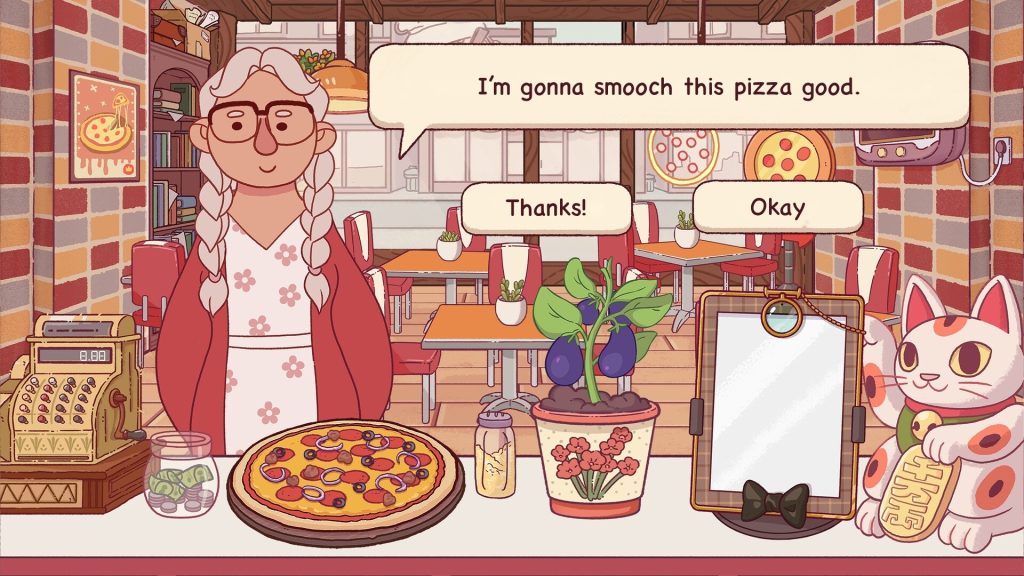
This guide covers good pizza great pizza how to manage garden ingredients with practical steps for mobile players.
Quick answer: the garden in Good Pizza, Great Pizza supplies ingredients that support your menu, and managing it well means growing what your customers actually order rather than what looks interesting. Harvest regularly so nothing sits unused, plant ahead of busy periods, and expand only when you are already using what you have. The garden is a support system, not a separate game.
The garden is easy to neglect because it is not where the action is. You spend most of your time at the counter, and the garden sits at the edge of your attention.
That is a mistake worth correcting early, because ingredients you grow are ingredients you do not have to buy.
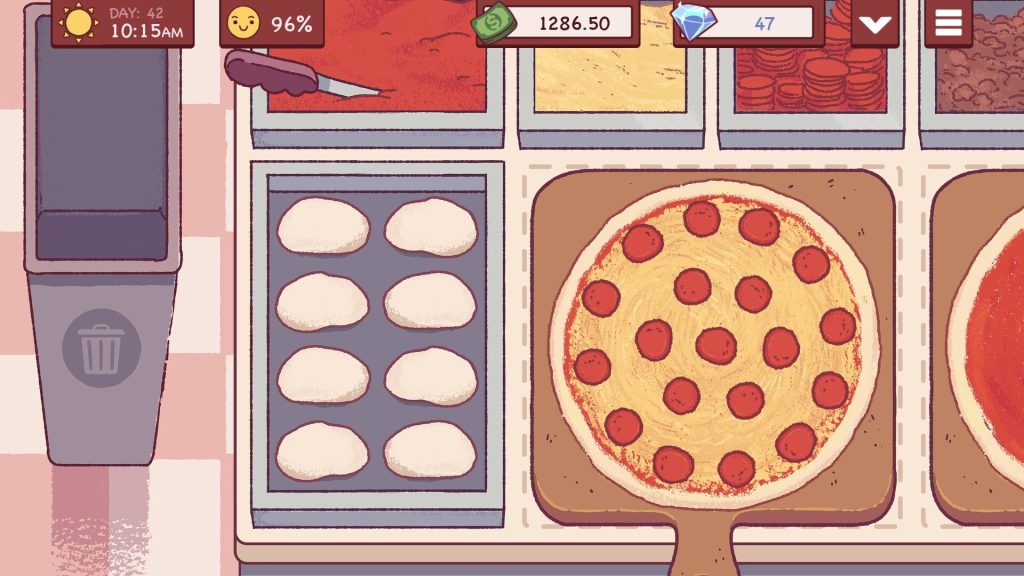
What does the garden actually give you?
It produces ingredients that feed into your pizza-making. What you grow determines what you can offer without spending money on it.
That makes the garden an economic system rather than a decorative one. Its output has a direct effect on your costs.
The practical consequence is simple: a garden growing the wrong things is money you are spending twice, once to plant and once to buy what you actually needed.
Matching the garden to your orders is the whole skill.
Everything else follows from that.
It is worth thinking about the garden as a second budget. Every ingredient you grow is one you do not buy, and every one you buy because the garden grew the wrong thing is a cost you chose.
Seen that way, the garden is one of the few places in the game where planning pays immediately.
You do not need to optimise it. You just need to point it at the right thing.
On this page
How should you decide what to grow?
By looking at what customers order. If a topping appears constantly, growing its ingredient pays for itself quickly.
That is more reliable than growing what is cheapest or what you happen to like.
The orders tell you what the demand is, and the garden should follow the demand.
If you are unsure, keep a mental note of the last few days of orders and see what repeats.
Patterns emerge faster than you would expect.
There is a practical shortcut. Look at what you have been buying most often and grow that, because the shopping list is an honest record of your demand.
That works even if you have never paid attention to orders. Your spending already tells you what the menu needs.
Combine the two signals and you have a reliable answer within a week.
No guesswork required.
Should you harvest immediately?
Yes, as a rule. An unharvested plant is finished production sitting idle.
Harvesting also tells you what you have, which prevents the small frustration of buying something you already grew.
The habit takes seconds and it keeps the garden useful rather than ornamental.
If you only check the garden occasionally, you are wasting most of its output.
Check it whenever you check anything else.
That is the whole habit and it is easy to adopt. Every time you look at the counter, glance at the garden.
The two are connected anyway, since one supplies the other.
Making them part of the same glance keeps both current.
When should you expand the garden?
Only when you are already using everything you grow. Adding space before that just produces surplus you cannot use.
Expansion is worth it once your menu regularly runs short of a specific ingredient and the garden cannot keep up.
That is a clear signal rather than a guess.
Expanding early is the more common mistake, because growth feels like progress even when it is not.
Wait until the shortage is real.
That advice runs against the instinct to grow whenever you can afford to. But space you are not using is not an asset; it is a cost you paid for nothing.
Expanding is cheap later and expensive early, because early money has better uses.
Spend it on the counter first.
How does the garden fit your daily routine?
It belongs in the same short loop as everything else: check the counter, check the garden, harvest what is ready, plant what is needed.
That takes a minute and it keeps the system running.
Doing it in the same order each time turns it into a habit rather than something you remember occasionally.
Once it is a habit you stop needing to think about it.
That is the whole point of a routine.
It also means you notice when something has run dry, which is the moment to replant rather than later.
An empty plot you have not noticed is the garden’s quiet failure mode.
What are the common garden mistakes?
Growing things you do not use. Forgetting to harvest. Expanding before you need to. And treating the garden as separate from the menu rather than as a supplier to it.
The underlying mistake is forgetting that the garden exists to serve the counter.
If you want a rule, grow what your customers order and harvest everything you see.
That single habit makes the garden pay for itself.
And if you never touch the garden at all, the game still works. You will simply spend more money on ingredients than someone who does.
That is the entire cost of ignoring it, and it is a cost that quietly adds up over a long playthrough.
Frequently asked questions
What does the garden produce?
Ingredients that support your pizza menu.
Should you grow everything?
No. Grow what your customers actually order.
Do you need to harvest often?
Yes. Unharvested ingredients are wasted production.
When should you expand?
When you are already using everything you grow and still running short.
Is the garden optional?
You can neglect it, but doing so costs you money you did not need to spend.
Grow what your customers order, harvest everything, and expand only when you are short. You can also start from the Good Pizza, Great Pizza hub.
Official game information: www.goodpizzagreatpizza.com.