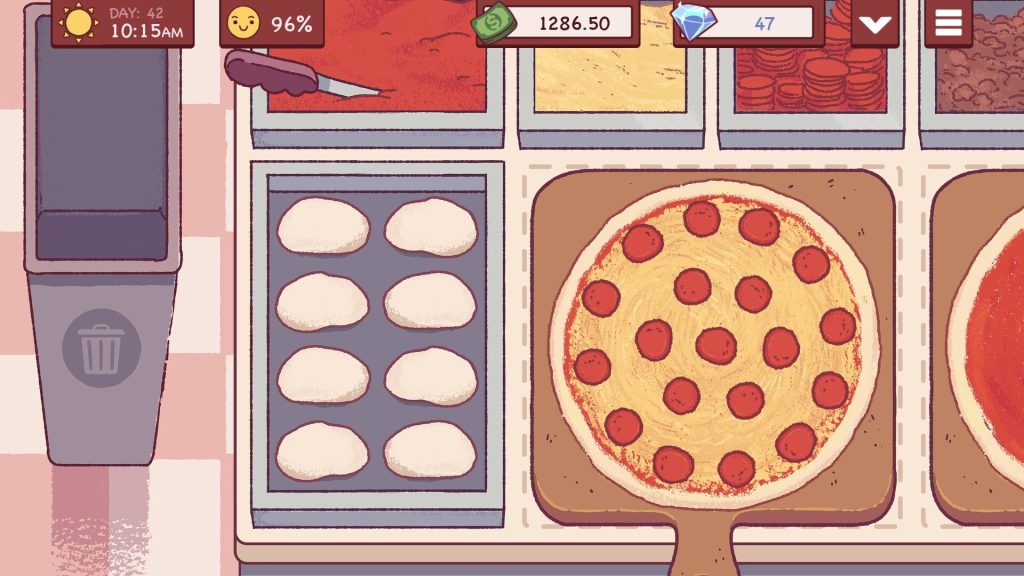
This guide covers good pizza great pizza how to unlock new toppings with practical steps for mobile players.
Quick answer: unlocking new toppings in Good Pizza, Great Pizza comes from progress rather than from a single purchase. Keep serving customers, take the story chapters as they come, and buy available toppings as your income allows. The toppings you have determine which orders you can fill, so expanding the menu is what lets you earn more. Prioritise ingredients that appear in orders you are already turning away.
The topping list is the closest thing this game has to a skill tree. More toppings means more orders you can complete, which means more money and faster progress.
That makes menu growth the main lever, ahead of almost anything else.
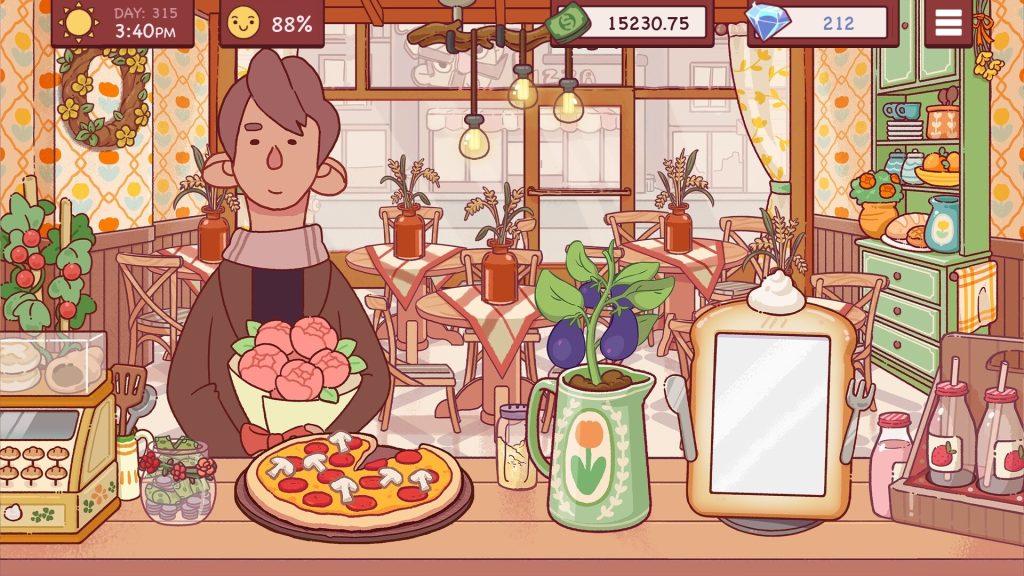
How do you unlock toppings?
Through progress rather than a single button. Serving customers, advancing the story and reaching milestones all contribute.
Some become available to purchase as your shop develops, which means money as well as progress is involved.
That combination is why players who are struggling often find the answer is simply to keep serving.
Each step of progress unlocks the next opportunity to expand.
Keeping the counter busy is what moves the whole system.
That is worth taking literally. The game rewards serving, so the fastest route to a bigger menu is to serve more rather than to save more.
Players who hoard money waiting for a purchase often progress more slowly than those who keep the shop running.
Income first, purchases second.
It is the same ordering that works in almost every management game.
On this page
Which toppings should you add first?
The ones that appear in orders you currently cannot fill. If you keep turning customers away for the same missing ingredient, that is your answer.
That is a direct signal rather than a guess.
After that, look at what appears frequently in orders you can fill, since more of the same reduces waste.
Breadth matters most early; depth matters once the menu is broad enough.
Fill the gaps before adding variety.
That rule is easy to apply if you pay attention to refusals. Every customer you cannot serve is a specific missing ingredient with a name.
Keep a mental list of those names and buy them in order of how often they come up.
Within a week your menu covers most of what arrives.
That is a much better use of money than buying whatever looks appealing.
Should you buy everything available?
Eventually, yes. Early on, no, because money has competing uses and the counter matters more than a complete pantry.
Buy what you need for the orders you are getting, then move on.
A topping you never use is money sitting on a shelf.
The menu should follow demand, not the other way around.
That is the same principle that governs the garden.
It is worth noticing how often that principle applies here. Garden, menu, upgrades: all three follow demand rather than preference.
The game is quietly consistent about this.
Once you see it, most decisions become obvious.
Do more toppings mean more customers?
Indirectly. A broader menu lets you serve more of the customers who arrive, which produces more income.
It does not appear to change who walks in, so much as change how many you can satisfy.
That distinction matters because it means the benefit is in conversion rather than traffic.
You are not attracting new people; you are serving the ones already there.
Which is why gaps in your menu are so costly.
Think about what a refusal actually costs. You lose the sale, you lose the tip, and you spend the time anyway.
Three gaps in a menu can mean a meaningful share of daily income disappearing without any obvious symptom.
The fix is cheap and the loss is invisible, which is why it goes unfixed for so long.
How does the menu interact with the story?
Story chapters tend to bring new customers and new requests, which naturally pushes you toward expanding.
That means progress in the story and progress in the menu reinforce each other.
If you feel stuck, advancing the story often unlocks the thing that was blocking you.
And if the story feels stuck, a broader menu gives you more room to work with.
Neither works well without the other.
That mutual reinforcement is worth leaning on when you feel stuck. If one is blocked, push the other.
Story stuck? Serve more and expand the menu. Menu stuck? Advance the story and see what opens up.
Something always moves.
What are the common topping mistakes?
Buying everything immediately. Ignoring gaps that keep appearing in orders. Skipping story progress. And assuming a broad menu means better pizzas rather than more options.
The underlying mistake is treating toppings as collectibles rather than as the range of orders you can accept.
If you want a rule, add the ingredient you most recently had to turn a customer away for.
That single habit grows the menu in exactly the right order.
And it has a pleasant side effect. Your menu ends up shaped by what your customers actually wanted rather than by what you guessed.
By the end, it reflects your shop rather than a generic list.
Frequently asked questions
How do you get new toppings?
Through progress, milestones and purchases as the shop develops.
Which should you buy first?
The ones that appear in orders you currently cannot fill.
Should you buy every topping?
Eventually, but early money is better spent on the counter.
Do more toppings bring more customers?
They let you serve more of the ones who arrive.
Does the story unlock toppings?
Often yes, which is why advancing it helps.
Add the ingredient you just turned someone away for, and repeat. You can also start from the Good Pizza, Great Pizza hub.
Official game information: www.goodpizzagreatpizza.com.