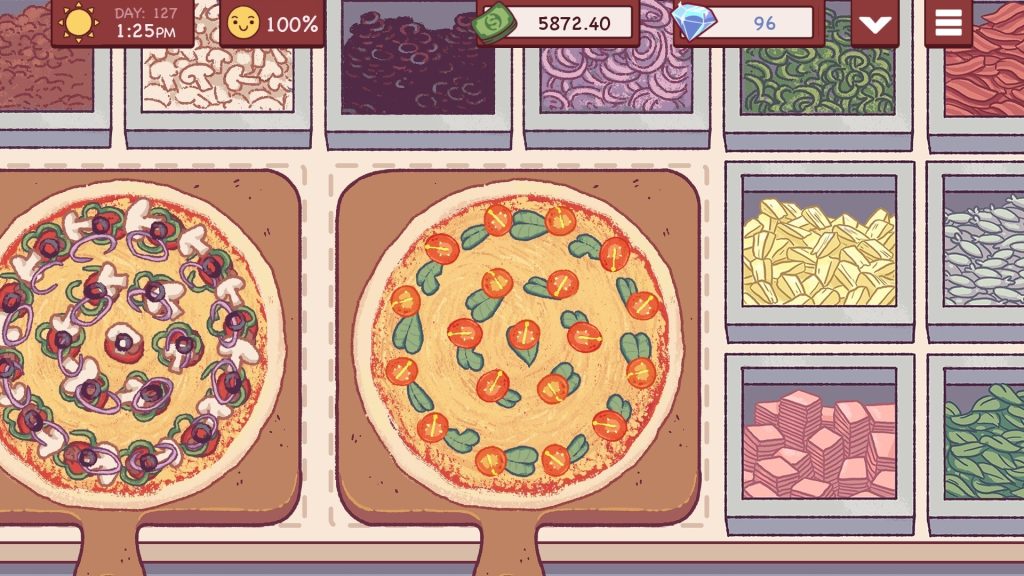
This guide covers good pizza great pizza how to use the garden with practical steps for mobile players.
Quick answer: the garden gives you a source of ingredients you do not have to buy, and using it well means planting what your orders actually call for rather than whatever looks interesting. Harvest regularly, keep the plots matched to demand, and treat the garden as a small ongoing task rather than a one-time project. It will not replace the shop, but it quietly reduces what you spend.
The garden is one of the quieter systems in the game. Nothing about it is urgent, and ignoring it costs you very little in the short term.
Over a few weeks, though, the difference between a garden that is used and one that is not becomes noticeable in your balance.
It is also one of the more pleasant systems to manage, because it asks for attention rather than speed.
What follows is how to get real value from it without turning it into a chore.
It helps to think about the garden in terms of what it removes from your shopping list rather than what it adds to your pantry.
A single plot that reliably supplies your most-used ingredient is worth more than four plots producing things you occasionally want.
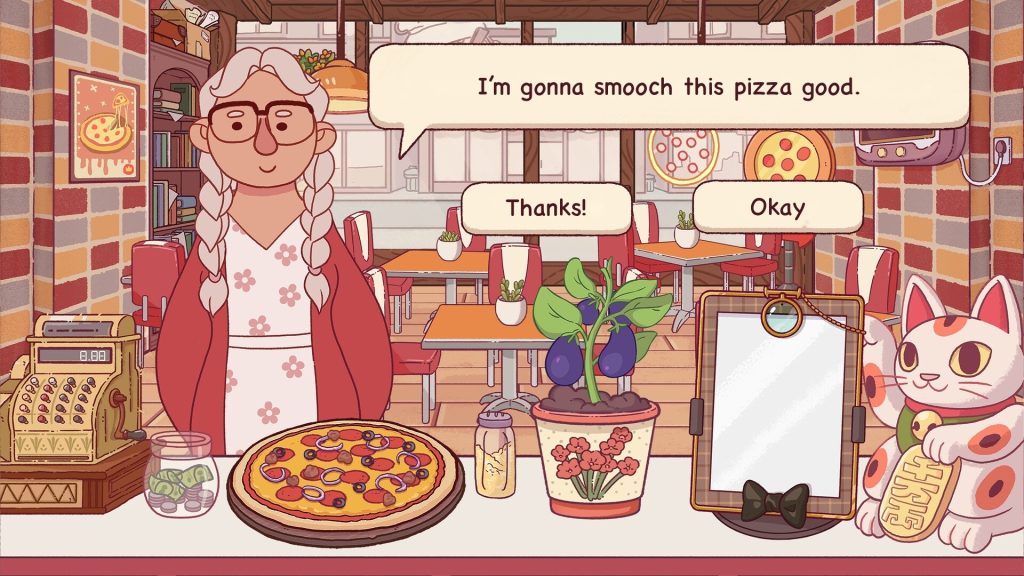
What the garden gives you
The garden produces ingredients over time, which reduces how much you need to buy from the shop.
That directly lowers your daily costs, which is the same as earning more.
It also gives you a buffer. When an ingredient is scarce or expensive, having a supply of your own solves the problem quietly.
The output is modest per plot, which is why it is a supplement rather than a replacement.
But supplements compound, and a garden running in the background for a month is worth considerably more than its individual harvests suggest.
Think of it as a slow reduction in your expenses rather than a new income stream.
That framing keeps your expectations realistic.
On this page
What to plant
Plant what your orders actually ask for, and check that against what you keep buying.
If you are restocking the same ingredient every day, that is the one your garden should be growing.
Avoid planting things you rarely use, even if they are interesting or valuable.
A useful trick is to look at your recent days and note which ingredient you ran out of most often.
That single observation usually identifies the right crop immediately.
If two ingredients are close, plant the one that appears in more orders.
Frequency matters more than value here, because the garden’s output is small.
Keeping it running
Check the garden when you check anything else rather than treating it as a separate task.
Harvest and replant in the same visit, so a plot is never sitting empty.
An empty plot is the garden equivalent of a wasted day, and it is easy to prevent with a little routine.
Watering and tending take seconds if you do them consistently, and much longer if you leave them.
The habit matters more than the effort, which is true of most things in this game.
If you find yourself forgetting it regularly, shrink the garden rather than adding reminders.
A small garden you maintain beats a large one you neglect.
Watch how the seasons or chapters affect what you need. Demand shifts as the story moves, and a garden that was well matched last week may be wrong now.
Revisit the planting whenever your orders change noticeably.
When to expand
Expand only when the current plots cannot keep up with what you need.
The test is simple: are you still buying an ingredient you could be growing?
If yes, add a plot. If no, the garden is already doing its job.
Expanding for its own sake produces a garden that is harder to maintain and no more useful.
It also costs money that could have gone into equipment or ingredients you cannot grow.
Keep the size matched to demand rather than to ambition.
That discipline is what keeps the garden an asset rather than a second job.
How the garden fits your day
The garden should take less than a minute of your time on a normal day.
If it is taking longer, something is out of proportion, usually the number of plots.
Fit it into the start of a session rather than the end, when you might forget.
Harvesting before you begin serving means your stock is ready when the rush arrives.
That timing is small but it prevents the mid-service restocking trip that costs you time.
Once it is part of the routine, you stop noticing it entirely.
That is the ideal outcome for a support system.
Common garden mistakes
Planting for interest rather than demand. Produces ingredients you never use.
Letting plots sit empty. The most common and most avoidable loss.
Expanding too early. More plots means more maintenance than value.
Treating it as a separate task. It gets forgotten when it is not part of the routine.
Expecting it to replace the shop. It supplements, it does not substitute.
None of these are serious, and all are easy to correct.
A modest, well-matched garden solves every one of them.
If you are unsure whether the garden is earning its keep, stop buying the ingredient it supplies and see whether you run short.
If you do not, it is working. If you do, add a plot.
That test is more useful than any calculation.
Kept modest and matched to demand, the garden is one of the few systems in the game that quietly pays you back for almost no effort.
That is worth a minute of your day.
Frequently asked questions
Does the garden save money?
Yes, indirectly, by reducing how much you buy. The saving is steady rather than dramatic.
Should I grow rare ingredients?
Only if your orders actually use them. Frequency matters more than value.
How many plots do I need?
Enough to cover the ingredient you restock most often. Start small and expand only when short.
What if I forget to harvest?
You lose the growing time rather than the crop. Fold it into your normal routine.
Is the garden required?
No, but it makes the shop noticeably easier to run over time.
For more, see managing garden ingredients and managing daily costs. More coverage is on the Good Pizza, Great Pizza hub.
Official game information: www.goodpizzagreatpizza.com.