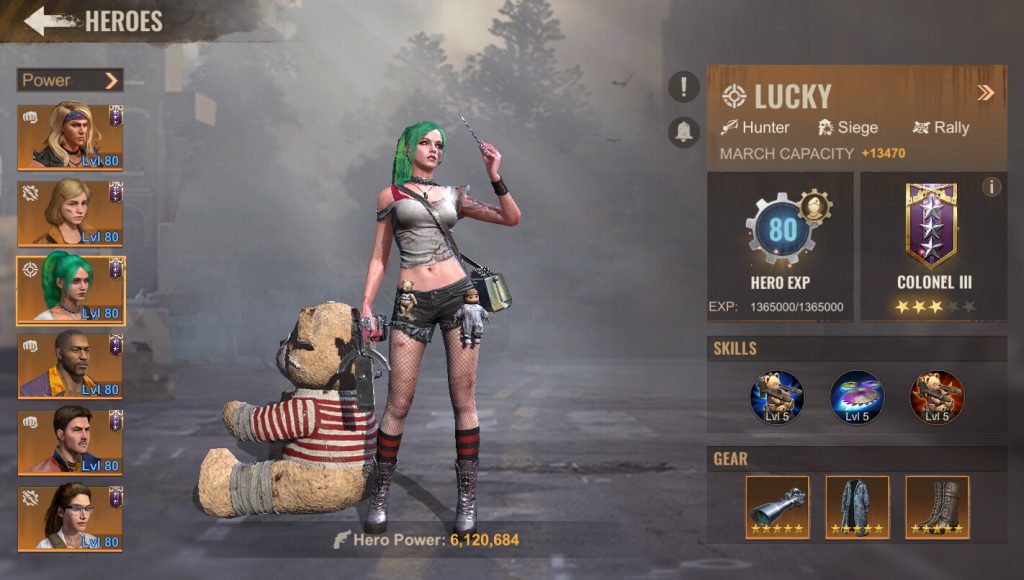
This guide covers games like state of survival with practical steps for mobile players.
Quick answer: If you want the same settlement-plus-squad loop, look at other mobile survival builders. If you prefer a stronger strategy layer with less hero collection, a classic base builder focuses on layout and defence. If you want the survival theme without the management, a survival shooter offers direct action instead. Choose by which layer of this game you actually enjoy.
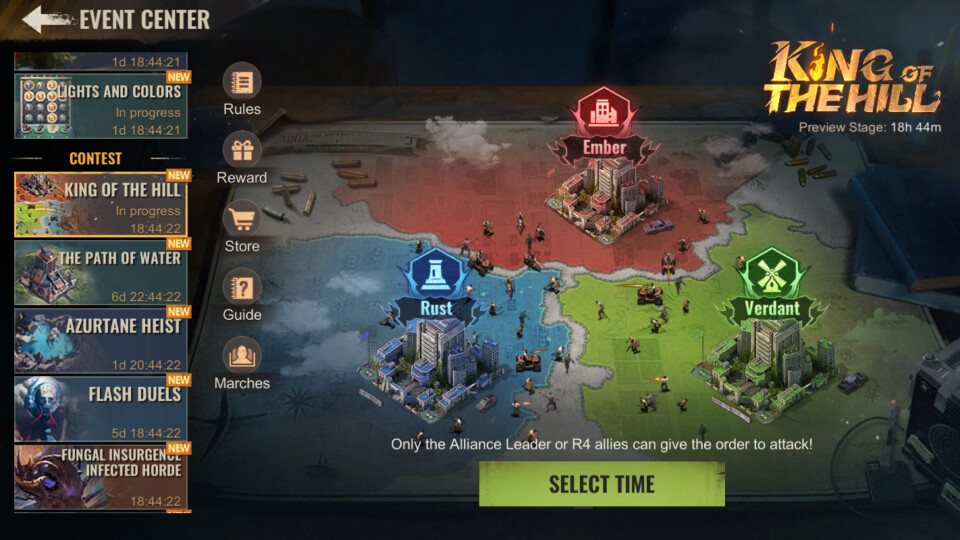
State of Survival sits at a crossroads of three genres: base building, hero collection and alliance warfare. Almost every alternative emphasises one of those more than the others, which makes the choice easier than it first appears.
The useful question is what you enjoy doing rather than what a game is called. A player who loves arranging a base will be happy with a pure builder; one who loves collecting heroes will prefer a game built around that.
What are the closest alternatives?
| Type | What it emphasises | Best for |
|---|---|---|
| Survival base builders | Settlement growth plus hero squads | Players who want this exact mix |
| Classic base builders | Layout, defence and upgrades | Players who enjoy planning a base |
| Hero collector games | Squad building and character depth | Players who enjoy developing characters |
| Alliance war games | Group coordination and events | Players who enjoy social competition |
| Survival shooters | Action and reflexes | Players who want combat rather than management |
The first row is the closest match, but it also means the most similarity and therefore the least novelty. If you want variety, one of the others will feel more different.
It is worth saying that most of these are free to start, which makes trying two or three entirely reasonable. That is a far better use of an evening than reading descriptions and guessing.
On this page
Which is best if you like the settlement?
Classic base builders, which give you more control over layout and defence. They tend to have deeper building systems because that is the whole product rather than one layer of three.
The trade is that hero collection is usually absent or minimal. If character development keeps you engaged, a pure builder feels thin after a while.
Look for games where placement genuinely matters, such as service coverage or defensive ranges. That is the clearest signal that the base is the game rather than a backdrop.
Builders also differ in how much they charge for expansion. Some let you grow steadily for free, while others slow down sharply at a certain point.
If you enjoy the defensive side in particular, look for games where attacks on your base are simulated rather than live. Those reward planning more than reflexes.
Which is best if you like heroes?
Hero collector games, which combine squad building with turn-based or semi-automatic combat. They offer far more depth in character progression than a survival builder does.
The trade is that your settlement is often cosmetic. If watching a base grow is satisfying to you, a hero game removes that entirely.
These games also vary widely in generosity. Some give a steady supply of characters; others gate progress tightly behind spending.
Hero games also differ in how much story carries them. Some are essentially character showcases with combat attached, which appeals strongly to some players and not at all to others.
Which is best for group play?
Alliance war games, which are built around coordinated events and shared objectives. The social layer is the product rather than an addition.
These reward scheduling and communication more than individual optimisation, which suits players who can commit to specific times.
State of Survival sits here as much as anywhere. Its alliance events are the main source of rare materials, which makes participation the real progression mechanic.
One practical warning: group-focused games punish absence more than solo ones. If you travel or work irregular hours, a scheduled event game feels like an obligation.
What about survival shooters?
They share the theme but not the structure. A player expecting base management will find them alien, while one who wants action will find a builder slow.
If the theme is what attracts you rather than the systems, a shooter is a legitimate choice. If the systems are what you enjoy, it is not a substitute.
Mobile controls also matter. Shooters are harder to enjoy on a small screen, while builders were designed for exactly that form factor.
Survival builders also tend to suit shorter sessions, which fits players who want something to do for ten minutes rather than an hour.
How should you choose?
Name the layer you enjoy most, then pick the game that emphasises it. That single question resolves most of the uncertainty.
Then check the time commitment. Games with scheduled group events require availability at specific times, while pure builders can be played whenever.
Finally, consider generosity. Try the free experience for a week before spending, because the difference between games in how they pace free progress is enormous.
The useful way to sort the alternatives is by what they ask you to protect. Some put your accumulated progress at risk every time you log off, which makes shields and timing the core skill. Others keep your base safe and move the risk onto the map, where it is your marches that can be caught out.
That difference decides how a bad day feels. In a base-risk game one mistake costs you a night of production; in a map-risk game it costs you the expedition you had already committed, and the recovery is slower because the supplies are gone rather than just delayed.
It also changes how much the social layer matters. Games that lean on alliances for safety demand more of your attention than games where the alliance is mostly a source of bonuses, and picking the wrong one for your schedule is the most common reason people quit these titles.
Frequently asked questions
Are there games with all three layers?
Yes, several mobile survival builders combine base building, hero collection and alliance play.
Which is most generous to free players?
It varies by game. Try before spending and watch how progress feels in week two.
Do these games require daily play?
Most reward it heavily, because queues and events run on timers.
Are survival shooters similar?
No. They share a theme but not the management structure.
Which is easiest to start?
Games with strong early tutorials, which most of this genre provide.
Whichever you choose, the same habits apply: keep queues running, concentrate investment and join an active group. The State of Survival overview covers how those habits work in this game specifically.
Official game information: funplus.com.