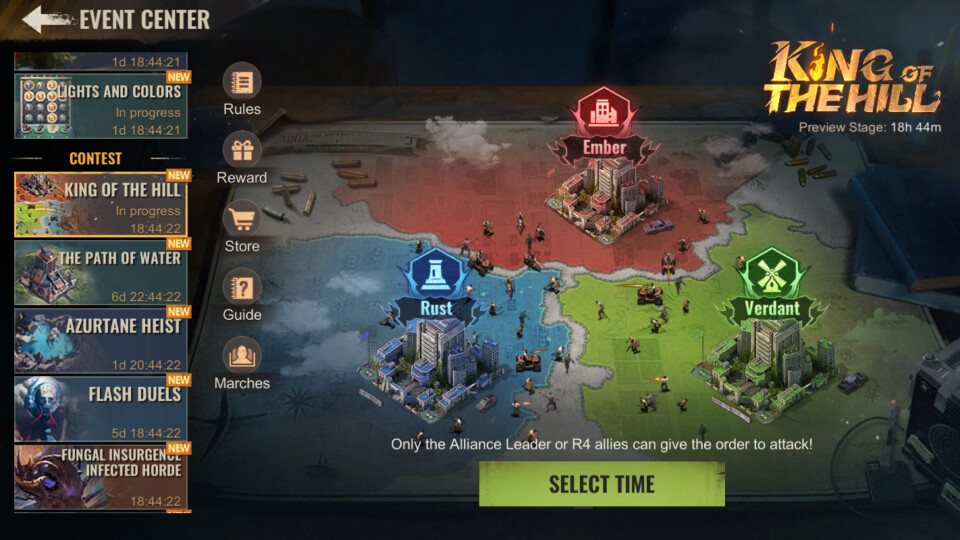
This guide covers state of survival vs last war survival with practical steps for mobile players.
Quick answer: They are close cousins rather than rivals. Both are mobile settlement builders with hero squads and alliance events, and both run on timers, queues and scheduled group content. The differences are in flavour and emphasis: Last War leans harder on hero collection and fast combat, while State of Survival leans on settlement infrastructure and a slower survival economy. Choose by which flavour you prefer rather than expecting a structural difference.
These two games compete for the same players because they share almost everything: base building, hero development, alliance events and a premium currency economy with timers behind every action.
That makes the choice less about mechanics and more about tone, pacing and which one your friends already play.
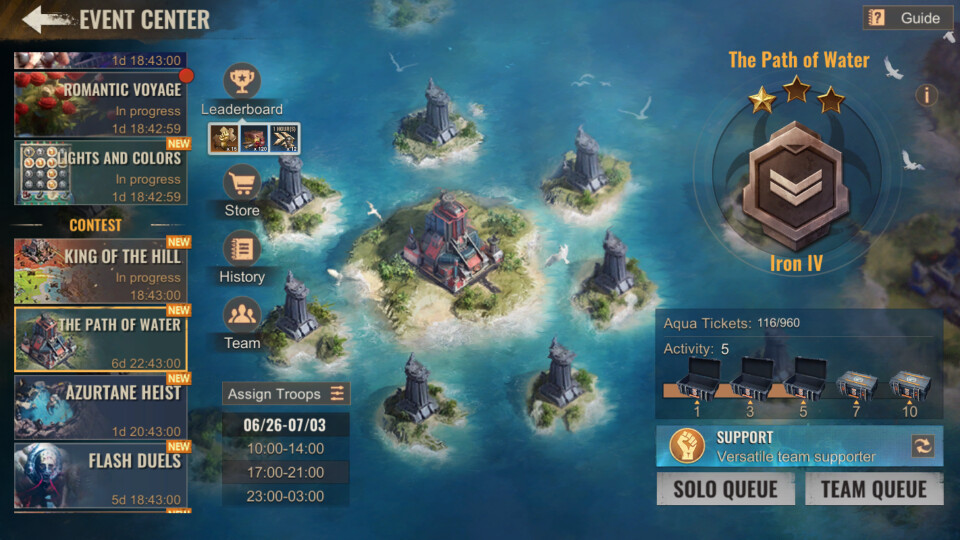
What do the two games share?
Both give you a settlement to upgrade, a queue system that runs while you are offline, and a hero squad that clears content for resources.
Both organise the social layer around alliances with scheduled events, donations and shared bonuses. Both reward participation more than raw power.
Both monetise through premium currency that buys speed and capacity, and both are playable at a reasonable pace without spending.
Both also expect regular short logins rather than long sessions. The comparison is genuinely narrow, which is why players often end up choosing on arbitrary grounds.
One honest way to decide is to look at what you do in the first ten minutes of each. Both games walk you through building, training and a first fight, and the flavour of that tutorial tells you a lot about the months ahead.
On this page
How do they differ in emphasis?
| Aspect | Last War Survival | State of Survival |
|---|---|---|
| Theme | Military conflict | Post-outbreak survival |
| Combat feel | Faster, hero-driven skirmishes | Slower, squad-focused encounters |
| Settlement layer | Headquarters-led progression | Infrastructure and resource focus |
| Hero emphasis | Heavier | Present but less central |
| Event rhythm | Frequent short cycles | Scheduled group phases |
The hero row is the most visible difference. If collecting and developing characters is what keeps you playing, Last War gives that layer more attention.
The settlement row is the opposite. State of Survival gives building and infrastructure decisions more weight, which suits players who enjoy planning rather than collecting.
The theme difference sounds superficial and is not. A military frame pushes you toward fighting and rank; a survival frame pushes you toward scarcity and preparation. Those framings shape what the game asks you to care about.
Combat pacing is the other visible split. Faster cycles suit players who like constant small engagements, while slower encounters suit those who prefer fewer, more consequential fights.
Which is better for a new player?
Either, honestly. Both have generous early tutorials and both take roughly the same time to become competent.
The deciding factor is usually external: which game your friends play, which alliance has space, or which theme appeals more. Those matter more than any mechanical difference.
If you have no preference at all, pick the one whose screenshots you prefer. At this level of similarity, aesthetics are a legitimate tiebreaker.
Both also share the same first-week trap: spreading hero investment across too many characters. A concentrated squad beats a scattered roster in either game, which is why advice written for one transfers cleanly to the other.
Both also present the same early decision about where to spend premium currency, and both answer it the same way: permanent capacity first, timer skips last.
How do the economies compare?
Both use the same broad structure: ordinary currency from gameplay, premium currency from events and purchases, and timers that can be shortened.
Both also reward the same discipline. Permanent capacity purchases beat timer skips in either game, and both punish players who leave queues idle.
The practical difference is small enough that advice transfers almost directly. A player who understands one game’s economy will understand the other’s within a day.
Neither economy rewards hoarding. In both games, banked currency loses value while permanent capacity keeps paying, and the players who internalise that early pull ahead.
Storage pressure appears in both games and is handled similarly: upgrading capacity beats selling surplus, because selling converts goods into currency at a poor rate while capacity keeps production running.
Which has better alliance play?
They are comparable. Both run scheduled group events with shared milestones, and both depend on member activity to reach them.
The real difference is the group you join rather than the game you join. An active alliance in either game beats a quiet one in the other.
Check which game your intended group plays before committing. That single question resolves most of the decision.
Consider also how much you enjoy the social obligation. Scheduled events in either game mean showing up at specific times, and that is a lifestyle question rather than a design one.
Which should you choose?
Choose Last War if you want military framing, heavier hero collection and frequent combat cycles.
Choose State of Survival if you prefer the survival tone, more settlement planning and a slower rhythm.
If neither matters to you, try both for a week. Both are free to start, and the difference in feel becomes obvious quickly, even when the systems are almost identical.
If you are choosing between them and genuinely cannot decide, pick the one with the shorter commute to a good alliance. That single factor outweighs every mechanical difference between these two.
Whichever you choose, expect the second month to feel slower than the first. That dip is design rather than failure, and it passes.
Frequently asked questions
Are the games mechanically different?
Less than their themes suggest. The core loops are very similar.
Which is more generous?
It varies by update and event. Try before spending on either.
Which has more heroes?
Last War emphasises hero collection more heavily.
Can I play both?
You can, but two timer games compete for the same short sessions.
Which is better for solo play?
Both lose their main reward stream without an alliance.
Whichever you pick, the habits are the same: keep queues busy, concentrate hero investment and join an active group. The State of Survival overview covers how those habits work in this game.
Official game information: funplus.com.