This guide covers tsuki odyssey beginner guide with practical steps for mobile players.
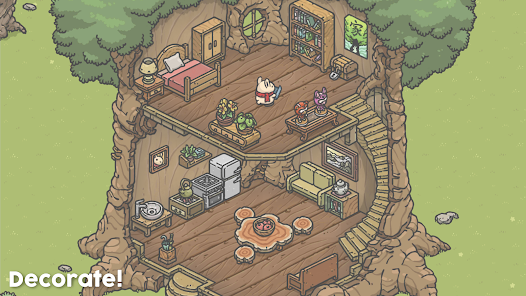
Quick answer: Tsuki Odyssey is a slow, gentle game about a rabbit living in a small village. You grow carrots, fish, decorate a treehouse, chat with the locals and wander between locations at your own pace. Nothing is timed in a way that punishes you, and there is no way to fail, which makes it a game about small daily visits rather than long sessions. Start by farming carrots and talking to everyone you meet.
It belongs to a genre sometimes called cozy or wholesome, and it takes that seriously. There are no enemies, no scores to beat and no pressure to optimise anything. The rewards are visual and social: a nicer room, a new friend, a fish you have not caught before.
That means the usual advice about efficiency does not really apply. You are not trying to reach an end state quickly, you are trying to enjoy the process of making a small place feel like yours.
What follows is a guide to the systems that exist, so you spend your early carrots on things that actually open the game up rather than on whatever catches your eye first.
It helps to think of the game as a place rather than a task list. You are not working through objectives so much as inhabiting a small village where things change slowly and people remember you.
That framing changes what a good session looks like. A productive session is not necessarily a long one; it is one where you noticed something, spoke to someone, and left the place slightly better than you found it.
What do you actually do in Tsuki Odyssey?
The core loop is simple. You collect carrots, spend them on seeds, furniture or items, and use what you gather to improve your treehouse and your standing with the villagers.
Around that loop sit several activities: fishing, shopping, reading the newspaper, decorating, and simply walking around to see what has changed since your last visit.
The game is generous with time. Crops take a while to grow and fish take patience, but nothing expires in a way that punishes a busy week.
That pacing is deliberate. It is designed to be opened for a few minutes, enjoyed, and closed again without guilt.
Watch how the early game teaches you. New systems appear gradually, usually through a character mentioning them or a location opening up, and there is no penalty for not understanding something immediately.
If you feel lost, walk somewhere you have not been. The map is small, and most confusion dissolves once you know where the shop and the fishing spots are.
Most of what you do is small: water a plant, catch a fish, buy a chair, hear a story. The pleasure comes from accumulation rather than from any single moment, which is why the game rewards returning more than it rewards playing.
If you are used to games that demand engagement, the first hour can feel uneventful. Give it a few days instead, and the pattern of small improvements starts to carry its own momentum.
On this page
Where should you start?
Plant carrots first. They are the foundation of everything else: the cheapest crop, the most reliable income and the item most characters and shops expect you to have.
Then talk to everyone. Conversation unlocks characters, and characters unlock content, from shop stock to new areas. Ignoring the villagers leaves the game feeling smaller than it is.
Explore the map early as well. Knowing where the shop, the fishing spots and the other locations are saves you wandering later when you actually need something.
None of that requires spending. The first hour is mostly about learning the layout and meeting people.
Crops are not a race. Planting a handful and harvesting them reliably beats filling every plot and forgetting about half of them, especially because a neglected plot produces nothing at all.
As you progress, you will find that some crops suit some purposes better than others. Learning which is which takes time and is part of the game rather than something to look up.
There is no tutorial to complete and no gate to pass. You can spend your first session doing nothing but walking, and the game will not object or lock anything behind you.
The only real cost of a slow start is that income arrives later, which delays the decorating that many players enjoy most.
One habit worth forming early is checking in on the farm before you do anything else. It takes seconds, and it means your income is never idle while you are busy decorating or fishing.
The second habit is to end each session with something pending, such as a crop in the ground. That gives the next visit a purpose without demanding that you remember anything.
How does farming work?
You plant seeds, wait for them to grow, and harvest. Carrots are the staple, and other crops appear as you progress and as seasons change.
Watering and tending matter, but the demands are light. A daily visit is enough to keep things moving, which suits the game’s overall rhythm.
Upgrades to the farm increase what you can grow and how much you get, and they are usually the best early use of your carrots.
Resist the urge to plant everything at once. A small, well-tended plot produces steadily, while a large neglected one produces nothing.
There is no wrong answer to the spending question, only trade-offs. A furniture purchase that makes you want to open the game is arguably better value than an upgrade you never notice.
That said, the math is simple: anything that produces carrots pays for itself and then funds everything else.
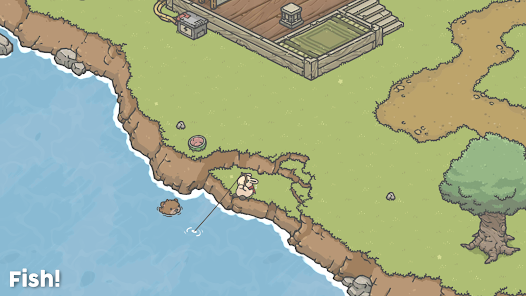
Fishing complements farming well because it produces items farming cannot, and those items are useful for gifts and for the shop.
Treat the two as a pair rather than as alternatives: carrots for steady income, fish for variety and for the small pleasures of catching something new.
What should you spend carrots on first?
| Purchase | Why it comes early |
|---|---|
| Seeds | They produce more carrots than they cost |
| Farming upgrades | Raises your income permanently |
| Fishing gear | Opens a second activity and item source |
| Furniture | Cosmetic, but part of the game’s appeal |
Note the order. Anything that produces more carrots comes before anything that only looks nice, because the pretty things become affordable once the income exists.
That said, this is not a game where you must be disciplined. If a piece of furniture makes your treehouse feel like home, that is a legitimate use of carrots.
Conversations repeat, and that is fine. Repeated dialogue builds familiarity, and familiarity is what the friendship system is actually modelling.
Gifts help, but they are not required to make progress. Consistency matters more than generosity here.
Upgrades compound in a way furniture does not. A better farm produces more every day, which means every later purchase is cheaper in real terms.
That is the closest thing to strategy this game has, and it is worth taking seriously even in such a gentle setting.
How do friendships and locations fit in?
Friendships develop through repeated conversation and through gifts, and they tend to unlock content: new dialogue, new items, sometimes new places.
The relationships are the emotional core of the game. A player who rushes past them ends up with a decorated room and nothing much happening in it.
Locations unlock through progress and through the story threads tied to characters. Some appear as you advance, others when you meet the right person.
The two systems feed each other, which is why talking to people is the most efficient thing you can do with a spare minute.
Not every character is available immediately, and some appear only after you have progressed elsewhere. That makes the village feel like it is filling in as you go.
Keep an eye on the newspaper and on what people say; both hint at what is available and where.
What should you avoid early on?
Spending everything on decoration. It is tempting and it slows the income that would fund more decoration later.
Ignoring the villagers. Conversation is content, not flavour.
Planting more than you will tend. A neglected farm is worse than a small one.
Rushing. There is nothing to catch up to, and the game is better at the pace it sets.
It also helps to leave something unfinished. A crop planted, a fish half-hunted for, a room you are slowly assembling: those give you a reason to come back tomorrow.
The game is built around that gentle pull rather than around completing anything.
Above all, resist the instinct to optimise. There is nothing here to optimise toward, and treating it as a project to complete tends to make it feel like work.
Open it when you feel like it, do something small, and close it again.
Much of the early appeal is discovering what the village contains. There is no map marker for every character and no list of everything available, so a degree of wandering is part of the design rather than a failure to plan.
The thing that surprises most new players is how little the game asks of you in a session. There is no energy bar counting down, no timer pressing you to finish, and no penalty for closing the app mid-conversation. You can open it, water a few crops, read whatever a villager has to say, and put it away again without losing anything.
That pace is deliberate. Tsuki Odyssey is built around the idea that a small town is interesting because of its routines rather than its events, so the game rewards the player who checks in regularly and chats to whoever happens to be around rather than the one who tries to optimise a route through it.
Carrots, and the currency they represent, arrive slowly at first. Do not rush this. The early game is teaching you where things are and who lives where, and that knowledge is what makes the later decoration and farming options feel like choices rather than chores.
It also helps to talk to every character you pass rather than only the ones with something to give. Dialogue is the main content of the game, and the residents of the town reveal themselves over many small conversations rather than in a single quest line.
Finally, treat decoration as the point rather than as an afterthought. There is no score and no efficiency target, so arranging a room or a garden the way you actually like it is the most direct way to get something out of the game.
Frequently asked questions
Is there any way to fail?
No. There are no lose conditions, and mistakes cost time rather than progress.
Do I need to play every day?
No. The game waits, and a long absence costs you very little.
Is it free?
It is free to play with optional purchases, none of which are required.
How long does it take to unlock everything?
Months of casual play. The pace is deliberately slow.
Should I spend money?
Only if you want to support the game or speed up a specific goal. It is not necessary.
For more, see earning carrots and managing the carrot farm. More coverage is on the Tsuki Odyssey hub.
Official game information: hyperbeard.com.