This guide covers tsuki odyssey how to earn carrots with practical steps for mobile players.
Quick answer: carrots come from growing crops, selling what you do not need, fishing, and the small rewards the game hands out for daily visits. Farming is the reliable source and the one worth investing in first, because every upgrade raises what you earn per day. Fishing and selling cover the gaps. Spend carrots on things that produce more carrots before you spend on things that only look nice.
Carrots are the ordinary currency in Tsuki Odyssey, and almost everything you want is priced in them. Understanding where they come from matters more than understanding where they go.
The game is generous with time, so there is no urgency about any of this. The players who accumulate quickly are simply the ones who keep a few plots growing and remember to harvest.
What follows is a guide to the sources, in order of how much they are worth investing in.

Where do carrots come from?
Growing crops is the foundation. You plant, wait, and harvest, and the harvested crop is worth more than the seed cost, which is what makes the loop sustainable.
Selling items covers everything else. Fish, spare materials and things you have outgrown can all be turned into carrots at the shop.
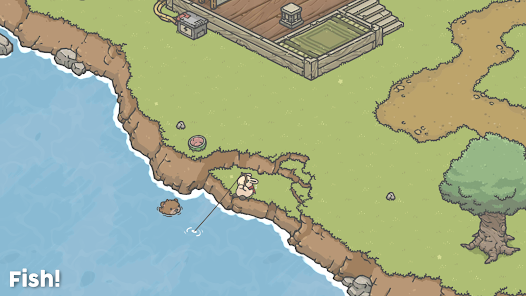
Fishing is a slower but steady source. It produces items worth selling, and it gives you something to do that is not waiting for crops.
Finally, daily visits and small rewards add up over time. They are not dramatic, but they reward the habit of checking in.
It helps to think of carrots as time made visible. Every crop you plant converts a wait into a payment, and every upgrade shortens that wait or raises the payment at the end of it. Once you see it that way, the priority order becomes obvious without needing a guide.
On this page
How do you make farming reliable?
Plant something every time you harvest, so there is never a bare plot. An empty plot is a day of income you did not earn.
Water and tend when the game asks, but do not overcomplicate it. The farming demands are light by design.
Keep the plot size to what you will actually manage. A large farm you check twice a week produces less than a small one you check daily.
That is the whole discipline, and it is deliberately undemanding.
Watch which crops you actually harvest rather than which ones sound interesting. A modest crop you check every day beats an exotic one you forget about, and the game will not punish you for picking the boring option.
There is also a seasonal dimension worth knowing about. Some crops and items only appear at certain times, and those tend to sell better because they are not always available. Planting what is in season is usually the better use of a plot.
Is fishing worth the time?
Yes, but as a supplement rather than a primary income. Fish sell for reasonable amounts and occasionally give you something more interesting than a crop.
It also fills the gaps between harvests, which is when the game can otherwise feel like waiting.
Different spots and conditions produce different results, so it rewards a little exploration rather than standing in one place.
Treat it as something to do rather than something to farm. The income is a bonus.
Selling is worth doing regularly rather than hoarding everything for a single big sale. Small frequent sales keep your balance moving and let you react to whatever the shop happens to have in stock that day.
What should you spend carrots on first?
| Purchase | Why it comes first |
|---|---|
| Seeds | They return more than they cost |
| Farming upgrades | Permanently raises daily income |
| Fishing gear | Opens a second source of items |
| Furniture | Cosmetic, but part of the appeal |
Anything that produces carrots should come before anything that only looks good, because the decorative things become affordable once income exists.
That said, this is not a game that punishes you for indulgence. A nice chair is a legitimate purchase.
The daily rewards are easy to overlook because they are small and quiet. Collected consistently over a month, they add up to a meaningful cushion that funds a piece of furniture you would otherwise have waited for.
How do you avoid wasting carrots?
Do not buy seeds you will not plant. Sitting inventory is carrots that have stopped working.
Do not expand the farm faster than you will tend it. Unmanaged plots produce nothing and cost you the seeds.
Avoid spending everything the moment you have it. Keeping a modest reserve means you can act when something useful appears.
Small disciplines like those matter more than any single big purchase.
One habit that pays off is checking the shop before you decide what to grow. If something you can produce easily is selling well, planting more of it is a straightforward decision rather than a guess.
If your balance feels stuck, the answer is almost always that something is not being harvested, sold, or reinvested. Look for the idle element before assuming you need to grind harder.
Does the game reward daily play?
Yes, gently. Rewards for returning accumulate, and crops need harvesting at intervals rather than in one long session.
But the game does not punish absence. A week away costs you very little, which is part of what makes it relaxing.
The ideal rhythm is a short visit most days rather than a long session once a week.
If you can only manage occasional play, the farming still works, just slower.
Resist the temptation to compare your progress with anyone else’s. This is a game about a rabbit growing vegetables; the pace is yours to set, and there is no leaderboard waiting to judge you.
Finally, remember that carrots are a means rather than an end. The point is the treehouse and the village, and the currency exists to make those things possible.
Frequently asked questions
What is the fastest way to earn carrots?
Growing and harvesting consistently, with farming upgrades as the priority purchase.
Should I sell everything I find?
Not everything. Keep items you need for gifts or decoration, and sell the surplus.
Is fishing profitable?
It is a reasonable supplement rather than a main income. Do it for variety as much as for carrots.
Do I lose progress if I stop playing?
No. Crops wait and nothing expires in a punishing way.
Are there other currencies?
There are special items and event currencies, but carrots remain the everyday one.
For more, see managing the carrot farm and using the fishing system. More coverage is on the Tsuki Odyssey hub.
Official game information: hyperbeard.com.