This guide covers tsuki odyssey how to use wall decorations with practical steps for mobile players.
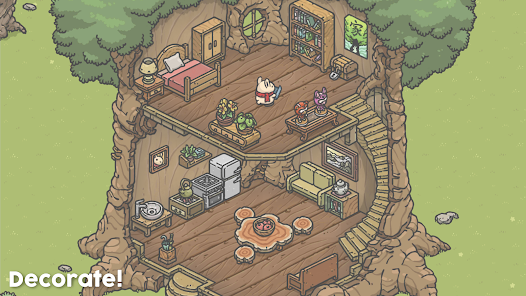
Quick answer: wall decorations in Tsuki Odyssey are the cheapest way to make a room feel finished, and they should come before furniture in most rooms. Hang one piece per wall, choose items that suit the room’s purpose, and use them to fill the visual space above eye level. A room with bare walls looks unfinished no matter how well furnished the floor is.
Wall items are easy to overlook because they are not the things you notice first in a shop. They are the things you notice missing.
Once you start hanging them, every room you decorated before will look unfinished until you go back and fix it.
Why do walls matter so much?
Because a room’s visual weight sits high. Empty walls leave a large blank area above the furniture, and the eye reads that as incomplete.
Hanging something on each wall balances the room without adding floor clutter.
It also costs less than the furniture that would be needed to fill the same visual space.
That combination makes walls the best value decoration in the game.
If you only have a few carrots, spend them here.
There is a simple way to see the effect for yourself. Take a room you have furnished and look at it with the walls bare, then hang one thing.
The difference is more dramatic than the price suggests, which is why players who discover walls tend to go back and fix every room.
It is the fastest improvement available per carrot spent.
Nothing else in the shop changes a room as much for as little.
On this page
What should you hang?
Something that suits the room’s purpose. A picture in a living space, a shelf in a study, something decorative in a bedroom.
The specific item matters less than the fact that there is one. A bare wall is the problem; the exact solution is flexible.
Keep the style consistent with the room so it does not look added on.
One good piece is better than three that fight each other.
If you are unsure, choose something simple and let the room’s other elements do the talking.
That advice is worth taking seriously because wall items are the easiest place to overdo it. A bold picture is fine on its own and overwhelming next to three others.
Simple pieces age better too, since you are less likely to tire of them.
If you find yourself replacing wall art often, you probably chose something too strong for the room.
How many should you use?
One per wall is a reasonable starting point. That covers the space without cluttering it.
Large rooms can take two, but only if they are spaced apart rather than grouped.
Crowding walls produces the same problem as crowding floors, just higher up.
Start sparse and add only if a wall looks genuinely empty.
Most rooms need fewer than you think.
That is worth repeating because the instinct when you discover wall items is to fill every gap. A wall with one well-chosen piece reads better than a wall with four adequate ones.
The empty space around a decoration is part of the decoration.
Leave it there.
Do wall items interact with anything?
They are decorative, so they contribute to how the room feels rather than to any mechanic.
That said, a finished-looking room is easier to enjoy, and enjoyment is what keeps a cozy game going.
They also make photographs of the treehouse look considerably better, if you take them.
None of that is measurable and all of it is the point.
Wall decorations are the cheapest way to buy atmosphere.
Should you buy them early or late?
Early, in each room. Hang something before you buy furniture, because the walls set the tone the furniture will sit under.
That order also prevents the common situation where a room is furnished and still feels wrong, and you cannot work out why.
The reason is almost always the walls.
Fix them first and the rest of the room comes together more easily.
It is the cheapest correction available.
There is also a practical workflow that helps. When you move into a new room, hang one thing on each wall before you think about furniture at all.
Then stand back and look. The room will already feel like a room rather than an empty box.
Only after that should you start choosing furniture, because you now have a sense of the space.
What are the common wall mistakes?
Ignoring walls entirely. Hanging one piece and stopping. Grouping everything on one wall. Buying items that clash with the room. And spending furniture money before wall money.
The underlying mistake is treating walls as an afterthought rather than as the base layer of a room.
If you want a rule, hang something on every wall before you buy a single piece of furniture.
That order produces rooms that look finished from the first purchase.
It also makes the process cheaper overall, because you are not buying furniture to compensate for bare walls.
Most players who feel a room is not working have tried adding more furniture. Adding a picture instead is usually the answer.
Try it once and you will not decorate another room without doing the walls first, which is the whole lesson of this guide and the cheapest habit in the game.
Frequently asked questions
Do wall decorations affect anything?
They are purely decorative, but they make a room look finished.
How many per wall?
One is usually enough. Large rooms can take two if spaced apart.
Are they cheaper than furniture?
Usually yes, which makes them good value when carrots are short.
Should you buy walls before furniture?
Yes. Walls set the tone and prevent a furnished room from feeling wrong.
Do they help with photos?
They make the treehouse look considerably better in any picture you take.
Hang something on every wall before you buy furniture, and every room will look finished sooner. You can also start from the Tsuki Odyssey hub.
Official game information: hyperbeard.com.