This guide covers state of survival beginner guide with practical steps for mobile players.
Quick answer: Start State of Survival by upgrading your headquarters whenever it is available, because almost every other building, troop tier and research node is locked behind it. Keep your resource producers running at a level that can pay for the next push, join an active alliance in your first days for timer help and rallies, and concentrate hero fragments and skill materials on two or three heroes instead of spreading them across the roster. Spend speedups on construction and hold your premium currency for genuine bottlenecks.
What should you do first in State of Survival?
Your first goal is headquarters level, and it stays your first goal for months. Almost every meaningful unlock in the game, from better troop tiers to new building slots and research branches, is gated behind a headquarters requirement that you cannot work around and cannot buy your way past quickly. Every hour you spend improving something else while headquarters waits is an hour spent at a lower ceiling than you could have had. Players who chase side upgrades first usually find themselves a week behind, because the side upgrade unlocked nothing that the headquarters level would not have unlocked anyway.
Second priority is keeping your resource buildings producing at all times. Food, wood, metal and gas each feed different upgrades, and an idle producer is lost production that never comes back. Upgrade them steadily rather than in bursts, keep them close to your headquarters level so the next push is affordable, and collect from them whenever you log in rather than letting storage sit full and waste the difference. A simple routine of collecting and starting the next upgrade before you log off keeps that trickle turning into something you can actually spend.
Third is joining an alliance, which you should treat as a core system rather than a social extra. Alliance help shortens your construction and research timers on every single job, alliance territory gives you safer and richer resource tiles, and alliance events hand out rewards that a solo player simply cannot earn at any spending level. The earlier that discount starts, the more it compounds across your whole account.
On this page
How does the headquarters level gate everything?
Think of headquarters as the ceiling on your account. Every other building has a maximum level tied to it, so a level ten barracks cannot reach level eleven until the headquarters gets there first. That ordering is not a suggestion or a soft recommendation, it is a hard rule enforced by the game, and the upgrade button will simply refuse to work if you are over the limit.
Because of that, your upgrade queue should almost always lead with headquarters, followed by whatever buildings it requires as prerequisites. Some headquarters levels demand specific structures at specific levels before they will start, so read the requirement list in full before you commit resources to anything, and start the longest prerequisite first so the timers overlap instead of stacking.
Plan your speedups around that same queue. Holding construction speedups until the prerequisites are actually ready means you can push a headquarters level through in a single session, which unlocks the next tier of everything at once, from troop training to research depth. Burning speedups on scattered buildings feels productive and leaves you exactly where you started, one level short of the thing that matters.
How should you manage resources early?
Keep a working balance rather than hoarding one material. Buildings, research and troop training each demand different resources, and a huge stockpile of wood with no metal simply means your next upgrade stalls while your wood sits there doing nothing useful. Look at what your next three upgrades need and produce toward that list rather than toward whatever is easiest to gather.
Upgrade producers in step with your spending. If your warehouse keeps overflowing, you are producing faster than you can consume and the excess is wasted, which means it is time to spend rather than build more production. If you constantly run dry, your producers are behind and they should be the next thing you improve, ahead of anything decorative or situational.
Gathering on the map supplements production but does not replace it. Send troops to resource tiles when you have spare marches, prefer tiles inside alliance territory where they are safer, and treat map gathering as a targeted top-up before a big upgrade rather than your main income. Routine gathering that fills storage you cannot protect is effort spent generating a liability.
How do heroes and troop types fit together?
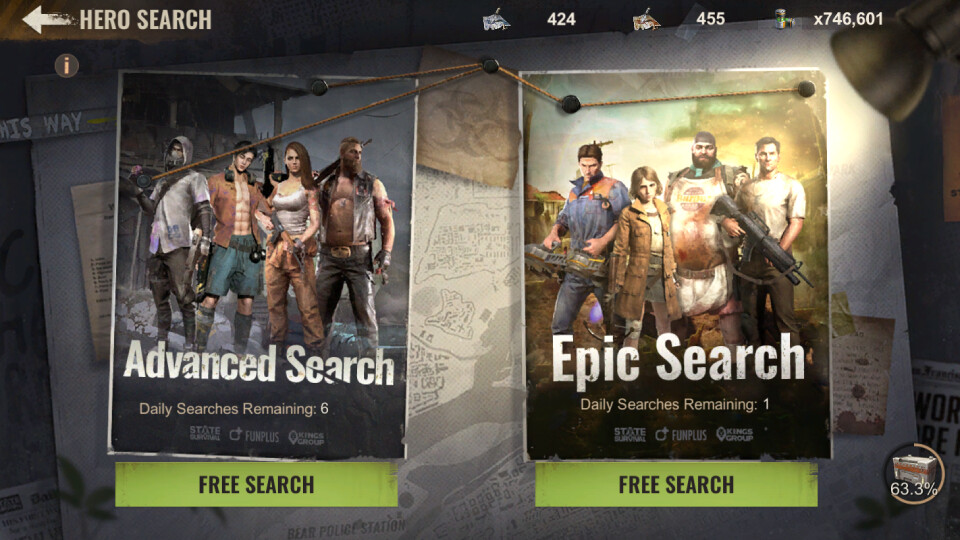
Heroes are your long-term progression and the main multiplier on everything else you build. They provide bonuses to the troops they lead, unlock skills that change how an army performs, and are used directly in exploration content where you fight with heroes rather than with troops. A small number of well-developed heroes beats a wide collection of neglected ones in every mode that matters.
Troops come in front-line, mounted and ranged types, and the game expects you to field all three in a sensible formation. The front line absorbs damage and holds the engagement, the mounted troops add mobility and burst damage, and ranged troops deal sustained damage from behind the line. A single-type army will lose fights it should win on raw power alone, because it lacks the structure the combat system assumes.
Match your hero development to your troop composition rather than to whatever looks strongest on a tier list. If you have invested in ranged research and ranged heroes, keep ranged troops trained and upgraded, because the bonuses only pay off when the army you send actually contains the troops they buff. A mismatch between hero bonuses and army composition is the most common reason a well-funded account underperforms in fights.
When should you join an alliance?
Join as soon as you can, ideally within your first days of play. Alliance help reduces your build and research timers on every job you start, and that discount compounds over hundreds of upgrades across a month of play. The sooner it starts, the more total time you save, and there is no downside to joining early because you can always move to a better alliance later.
Pick an active alliance rather than simply the largest one on the server. A mid-sized alliance where players actually respond to help requests, run rallies on schedule and talk in chat will do far more for your growth than a huge alliance where your requests sit unanswered for hours and nobody coordinates anything. Activity matters more than rank or member count.
Once you are inside, participate rather than lurking. Donations, rallies and alliance events are the main source of rewards that accelerate growth, and members who never contribute are usually the first to be removed when the alliance needs space. Even light participation, such as clicking help and joining the occasional rally, keeps you useful and keeps the rewards flowing.
What should you avoid doing in your first weeks?
Do not spend premium currency on speeding up routine upgrades. Biocaps are scarce, and they are far better held for genuine bottlenecks or for event windows where spending them also earns you additional rewards on top of the progress itself. A few hours saved on a mid-level building is one of the worst trades available in the game.
Do not scatter hero fragments across every hero you unlock. Fragments are the real bottleneck in hero progression, and a level ten hero with focused investment will outperform five heroes sitting at level four in every mode, including exploration. Decide which heroes carry your account and let the rest wait, however tempting the new arrivals look.
Do not neglect your hospital and your troop healing. Wounded troops are recoverable and dead troops are not, so keeping your hospital capacity upgraded and your healing queues running protects the investment you have already made in training. An account that wins fights but cannot heal afterward is an account that rebuilds its army from scratch after every war.
| Priority | Focus | Why it matters |
|---|---|---|
| 1 | Headquarters level | Unlocks nearly every other upgrade |
| 2 | Resource producers | Funds everything else, compounds daily |
| 3 | Alliance membership | Timer help, rallies and event rewards |
| 4 | Focused hero development | Bonuses are the main power multiplier |
| 5 | Research in one branch | Depth beats scattered investment |
The most common mistake in the first two weeks is spreading investment. Players upgrade a little of everything, end up with no strong hero, no finished research branch and a headquarters that cannot support the next tier, then wonder why events feel impossible. Pick two priorities and finish them.
The second mistake is staying in a dead alliance. An alliance that does not rally, does not help with timers and does not run events is worse than no alliance, because it occupies the slot that would otherwise give you all three.
Frequently asked questions
How fast should I upgrade my headquarters?
As soon as its prerequisites are met. It is the single gate on your account, so delaying it delays everything else you want to unlock.
Should I train troops early?
Yes, but only as many as you can support and heal. Troops that cannot be healed after a fight are resources you will have to spend again.
What are biocaps best spent on?
Hold them for bottlenecks and for event windows where spending also earns bonus rewards. Routine timer skips are usually a poor use.
Do I need to spend money to progress?
No. Consistent daily play, alliance participation and focused investment will carry you a long way. Spending accelerates progress rather than unlocking it.
What should I research first?
Whatever supports the troops and heroes you actually use. A deep branch that matches your army beats shallow progress spread across several trees.
Next, plan your building order with the headquarters upgrade guide and check hero priorities on the State of Survival hub.
Official game information: funplus.com.