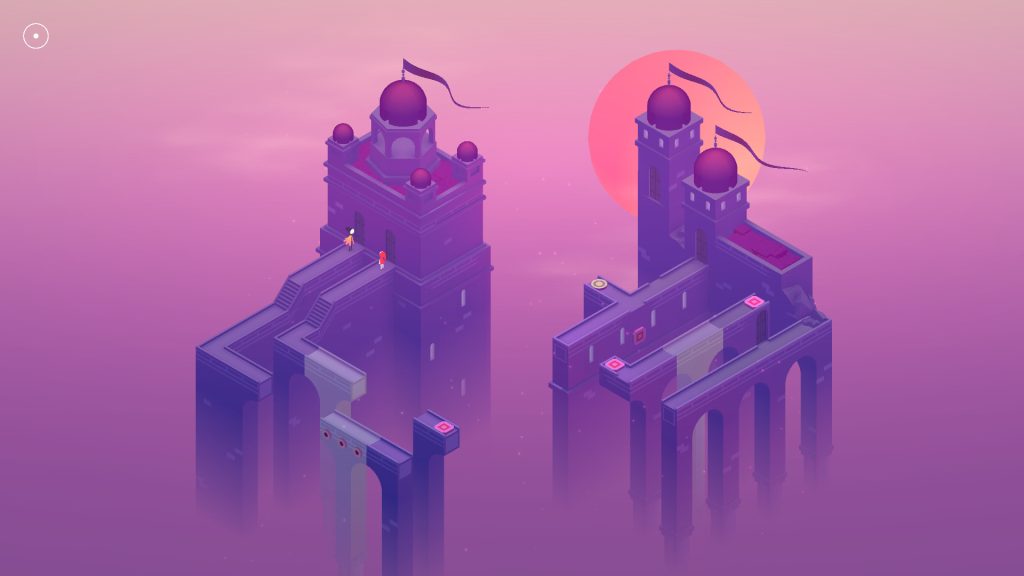
This guide covers monument valley 2 vs monument valley 3 with practical steps for mobile players.
Quick answer: Monument Valley 3 is the newer game in the series and the one that changes the most, adding a broader cast and more varied scene design while keeping the projection puzzles and the wordless storytelling. Monument Valley 2 is the tighter, more focused game with a stronger emotional through-line. Choose the sequel for a more polished short story, and the third game if you want the series at its most expansive.
The series has always been more about continuity of feeling than about continuity of plot, so comparing the two comes down to what each is trying to do rather than to which is objectively better. Both are short, premium and gentle, and neither punishes the player.
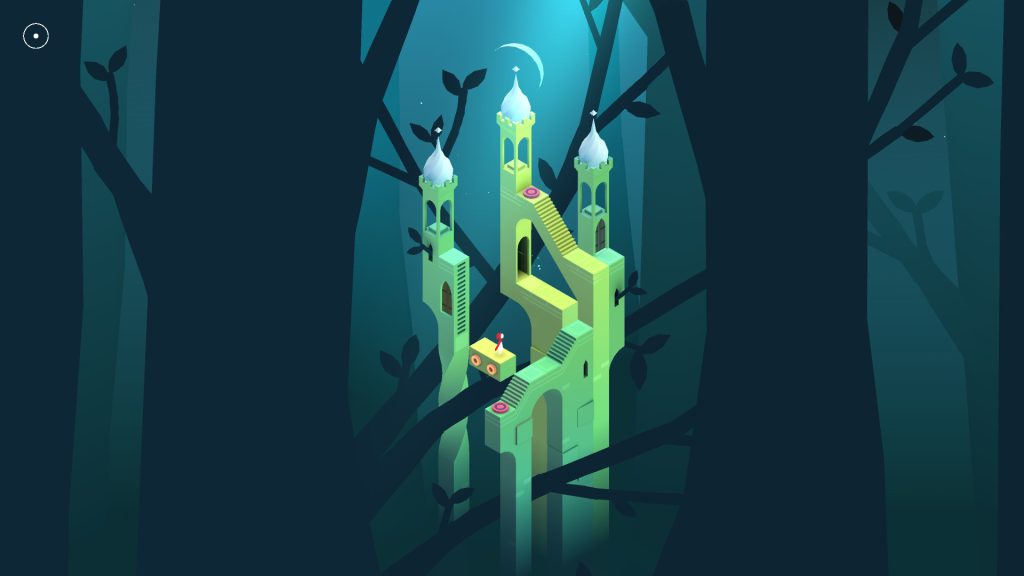
What does the third game change?
It broadens the story. Where the second game follows a mother and a child, the third introduces a wider cast and a larger sense of place, and the chapters are staged to carry more narrative weight than the earlier games attempted.
It also varies its scenes more. The projection puzzles remain, but the settings differ from each other more sharply than in the second game, which keeps a longer campaign from feeling repetitive.
The trade is focus. A broader story means less time with any single relationship, and players who were moved by the second game’s central pair sometimes find the third one’s wider lens less intimate.
On this page
Which is better for a first-time player?
Either works, because the mechanics are taught from scratch in both. Neither game assumes you played the other, and the stories are separate.
The second game is arguably the better introduction because it is tighter. Its chapters build a single idea across a shorter arc, which makes the experience easier to hold in your head afterwards.
The third game is the better choice if you already know you like the formula and want more of it. It assumes a certain comfort with the visual language, even though it does not require it.
How do the puzzles compare?
The second game’s puzzles are built around a small vocabulary used precisely. Rotation, sliding and motion each get chapters of their own, and the later chapters combine them in increasingly dense arrangements.
The third game spreads its ideas across more scenes, which means individual chapters are sometimes less concentrated but the overall variety is higher. It is a different distribution rather than a different difficulty.
Neither game is hard. Both are designed to be finished, and a stuck moment in either is usually resolved by looking rather than by trying things.
How do the stories compare?
The second game tells a story about parenthood. A mother guides a child, the child gains independence, and the architecture reflects the separation. It is small and specific, and that specificity is why it lands.
The third game tells a broader story with more characters and a stronger sense of a world beyond the immediate pair. It is more ambitious, and ambition in a wordless narrative is a risk as well as an asset.
Which you prefer is a matter of taste. Some players want the intimacy of the second game; others want the scale of the third, and neither preference is wrong.
How do they compare side by side?
| Aspect | Monument Valley 2 | Monument Valley 3 |
|---|---|---|
| Focus | A mother and child | A wider cast and a larger world |
| Story scope | Small and intimate | Broader and more ambitious |
| Puzzle density | Concentrated per chapter | More varied across scenes |
| Visual variety | Consistent palette | Sharper shifts between settings |
| Difficulty | Gentle throughout | Gentle, with more scene variety |
| Length | Short campaign | Comparable or slightly longer |
| Entry point | Works standalone | Works standalone |
Read the table as a difference in emphasis rather than in quality. Both games do the same thing; they simply choose to spend their time differently.
Does the order matter?
No. The games share a visual language and a design philosophy rather than a continuous plot, so playing them out of order costs you nothing narratively.
Playing in release order does have one small benefit: you can see the design evolving, which makes the third game’s broader ambitions legible as a deliberate choice rather than as a departure.
If you only intend to play one, start with the second. It is the most focused expression of what the series does, and it is the one most people remember.
Which should you buy?
If you want a short, emotionally precise puzzle game, buy the second. If you have played it and want more of the world, buy the third.
Both are premium purchases with no in-game currency, and both are short enough that the price is closer to a cinema ticket than to a subscription.
Neither is a large commitment, which makes the decision easy: pick the one whose story sounds more interesting to you, and play the other later if you enjoy it.
Frequently asked questions
Do I need to play the earlier games first?
No. Each game teaches its mechanics and tells a separate story.
Is the third game harder?
Not meaningfully. Both are gentle and neither can be failed.
Which is longer?
They are comparable. Both are short campaigns rather than long ones.
Are both premium purchases?
Yes. Neither uses in-app purchases or currency systems.
Which has the better story?
The second is more intimate and the third is broader. That is a preference rather than a ranking.
For the second game’s chapters, start at the chapter 1 walkthrough, or return to the Monument Valley 2 hub.
Official game information: www.monumentvalleygame.com.