This guide covers monument valley 2 chapter 14 walkthrough with practical steps for mobile players.
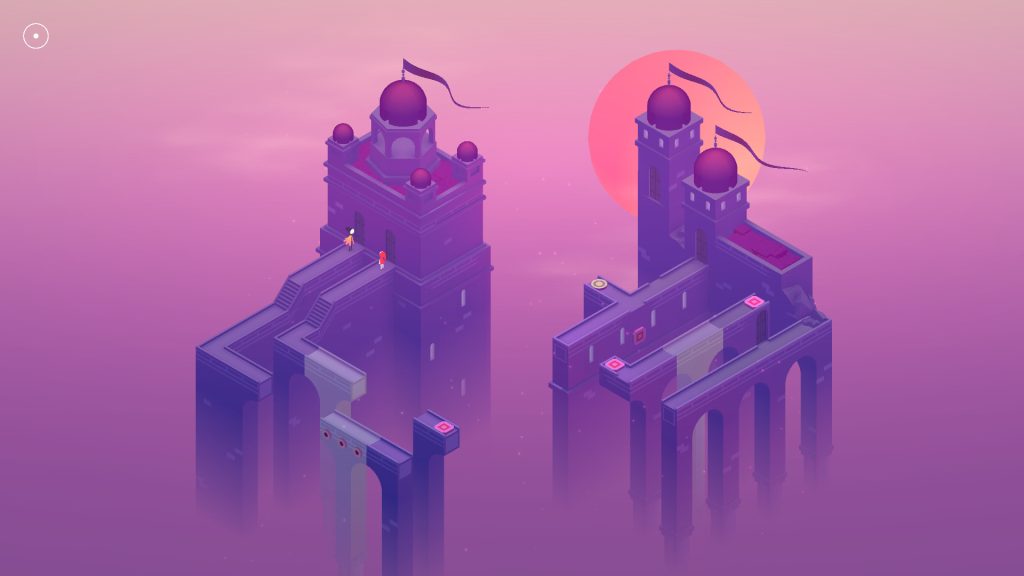
Quick answer: Chapter 14 closes the story, and mechanically it is a summary rather than a test: rotation, sliding, perspective and motion all appear, but at a gentler pace than the chapters before it. Follow the route, let the architecture arrange itself where it can, and watch the ending rather than rushing to the credits. There is nothing to miss, nothing to fail, and no secret to find.
Final chapters in this game do something unusual. Instead of escalating difficulty one last time, they lower it and let the story land. The structure is readable, the mechanisms are familiar, and the scene is paced to give the ending room.
What should you expect from the final chapter?
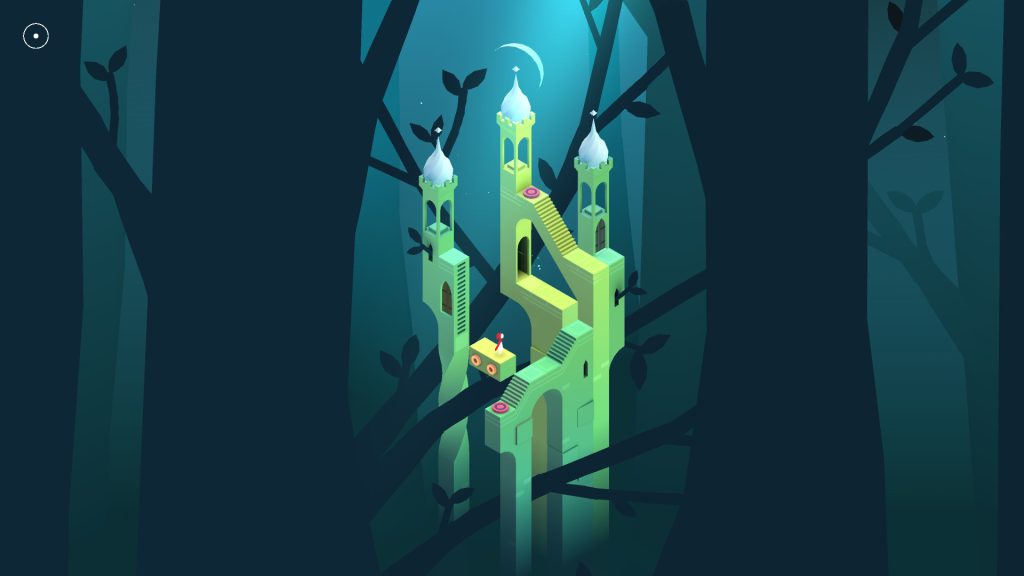
A shorter scene than the dense chapters immediately before it. It uses the full vocabulary, but it uses it clearly, and most players move through it without getting stuck for long.
That is deliberate. The game has spent its whole length teaching you to read impossible architecture, and the finale is written for a player who can now do that rather than for a player who needs to be challenged one more time.
It is also the chapter where the wordless story resolves. The mother and the child separate and reconnect, and the architecture carries that movement, which is why some sections read as scenes rather than as puzzles.
On this page
How does the chapter use the mechanics you have learned?
Rotation appears, but you are rarely asked to chain several rotations under pressure. Sliding appears, usually to open a straightforward path rather than to solve a dependency.
Perspective joins do the heavy lifting. The chapter closes with connections across the projection, which is the game’s original idea, and it uses them in a way that feels like a summary rather than a final exam.
Motion appears briefly and gently, more as a way of moving the characters through a scene than as a timing puzzle. Nothing here requires the patience of the earlier moving-platform chapters.
Why is the final chapter easier?
Because difficulty is not the point of an ending. A hard final puzzle would put a wall between the player and the resolution, and this game has always been more interested in the experience than in the challenge.
It also reflects the story. The narrative is about a relationship changing, and a scene that fought you would work against that. The architecture is calm because the moment is calm.
That does not make it trivial. There are still joins to find and rotations to make, and a first-time player will still pause to work out what connects to what. It is simply not designed to stop you.
How should you play the ending?
Slowly. There is nothing after the chapter that rewards speed, and the visual design is doing more work here than anywhere else in the game, so walking through it quickly means missing the thing it is for.
Walk the route in short steps and look at each scene as it resolves. The transitions between structures carry most of the story, and they are easy to skip past if you are tapping continuously.
Then let the credits play. There is no post-credits content to unlock and no new game plus to set up, so the ending is the ending.
Is there anything to do after finishing?
The chapter select. Once the game is complete you can return to any chapter you have already played, which is useful if you want to see a scene again or show one to somebody else.
There are no collectibles to hunt, no alternate routes to complete and no achievements tied to obscure actions, so a replay is purely about revisiting the architecture with the understanding you now have.
Replaying early chapters is more interesting than it sounds. Once you know how the illusions work, the tutorial and the first few scenes read as a demonstration of technique rather than as simple puzzles.
What is the game doing thematically?
It is telling a story about parenthood and separation without using a word. The mother guides the child, the child gains independence, and the architecture reflects that by moving from structures the pair share to structures they traverse separately and then together.
Understanding that framing makes the mechanics read differently. The rotations and joins are not obstacles in the way of the story; they are the story’s grammar, and the finale is where the grammar is most visible.
That is why the game is worth finishing even when a chapter frustrates you. The ending is short, quiet and earned, and it makes the whole sequence feel deliberate rather than like a series of puzzles.
There is also a practical reason the finale is gentle. After more than a dozen chapters of increasingly layered mechanisms, a player is fluent enough that a hard scene would be solvable but not meaningful. The game spends its last chapter converting that fluency into atmosphere, which is a rare thing for a puzzle game to attempt and the reason the ending tends to stay with people.
So play it the way it was built: walk slowly, watch the transitions, and let the last few joins do their work.
If you want to see how the ending was assembled, replay the first chapter afterwards. The contrast between the plain tutorial and the final scene is the clearest statement the game makes about what it has been teaching you.
The last join in the game is usually a quiet one, easy to walk past without noticing that it was the thing holding the scene together. Look at it before you move on.
Frequently asked questions
Is chapter 14 the last chapter?
It is the final chapter of the main sequence. Additional content exists separately from the campaign.
Can I replay chapters after finishing?
Yes. Chapter select becomes available, so you can return to any chapter you have completed.
Is there a post-credits scene?
No. The ending resolves within the final chapter, and nothing follows the credits.
Are there collectibles I missed?
No. The game has no collectibles at all, so there is nothing to go back for.
Should I rush the finale?
No. It is the most visually deliberate chapter in the game, and the pacing is part of what it is doing.
Return to the Monument Valley 2 hub for the rest of the walkthroughs, or read the guide to impossible paths to see how the finale’s joins work.
Official game information: www.monumentvalleygame.com.